To design a museum experience with multiple digital and physical touch-points that might be experienced in person, with reasonable accommodations for virtual participants.
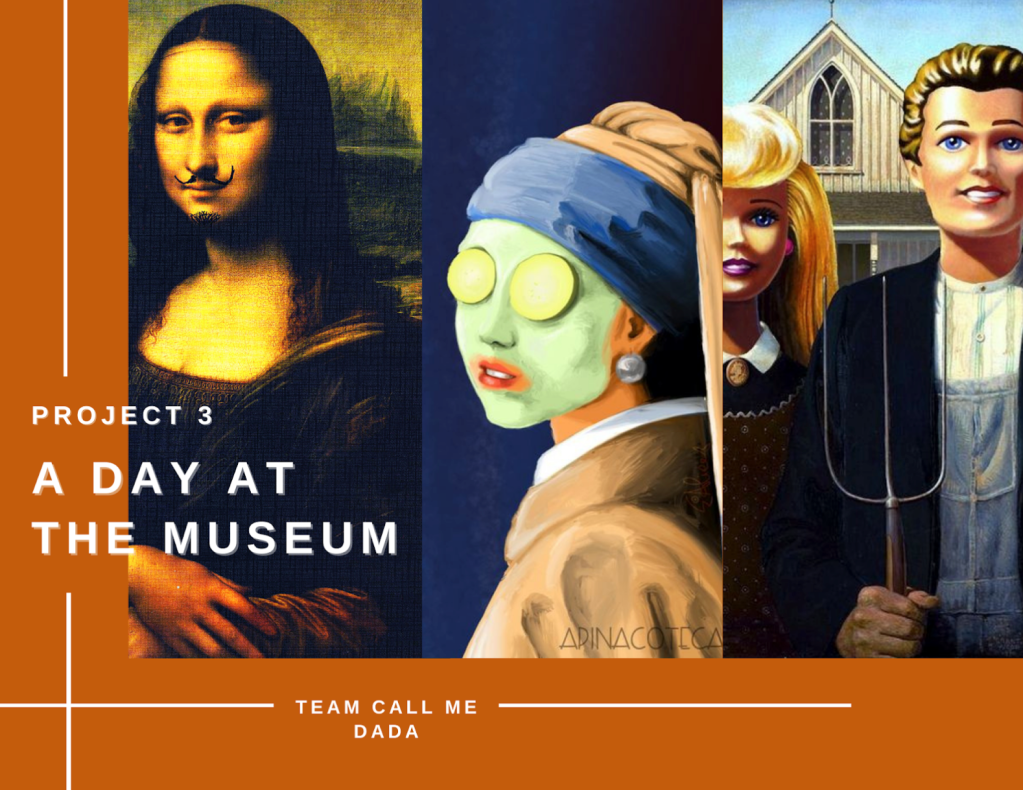
WHAT IS DADA?
Dada (circa 1916) is Anti-art. Dadaism is a dismantling of structures created by the bourgeoisie and nationalism. It’s a way to disengage from those structures and reality. Mocks “the modern man that is conditioned by oppressive, mechanized reality.”

Dada artists felt the World War I called into question every aspect of a society capable of starting and then prolonging it – including its art. Their aim was to destroy traditional values in art and to create a new art to replace the old.
Our team wanted to evoke atypical emotions from the customers as they go through our museum exhibit. We believed for one to fully immerse themselves in the Dadaism movement, one needs to understand the meaning behind Dada and significance it had in history.
Design Probe
To understand how people associate meaning with objects and why they are important to them; to explore the emotions that arise when those objects are destroyed.
Takeaways
The importance of the items weren’t associated with the commercial value of the items.
We found people became upset and hurt when their object was destroyed.
However, the value stayed the same. “I would keep the [object] and wouldn’t find its personal value lacking!”


Museum Layout / Narrative Arc
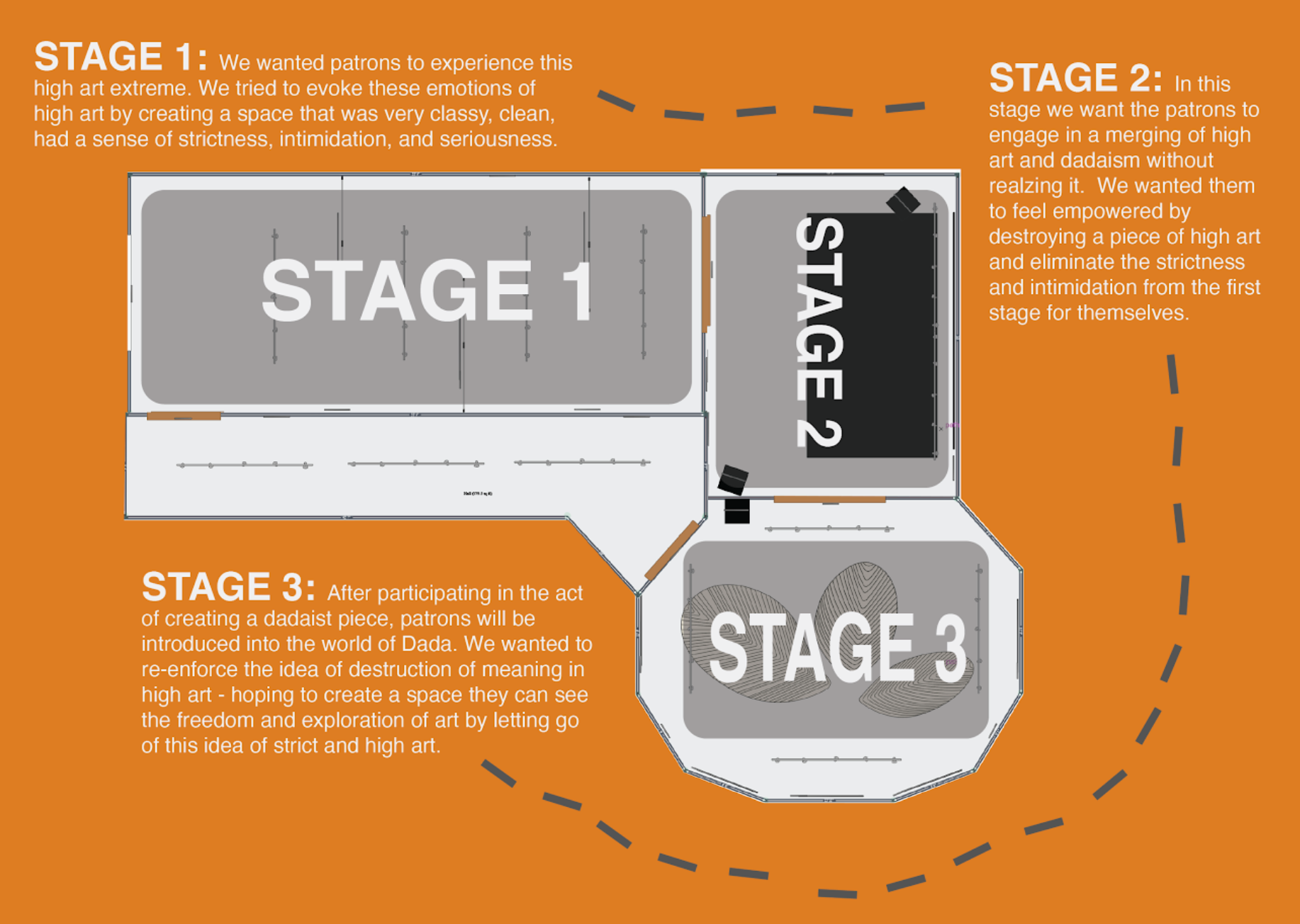
Design Walkthrough
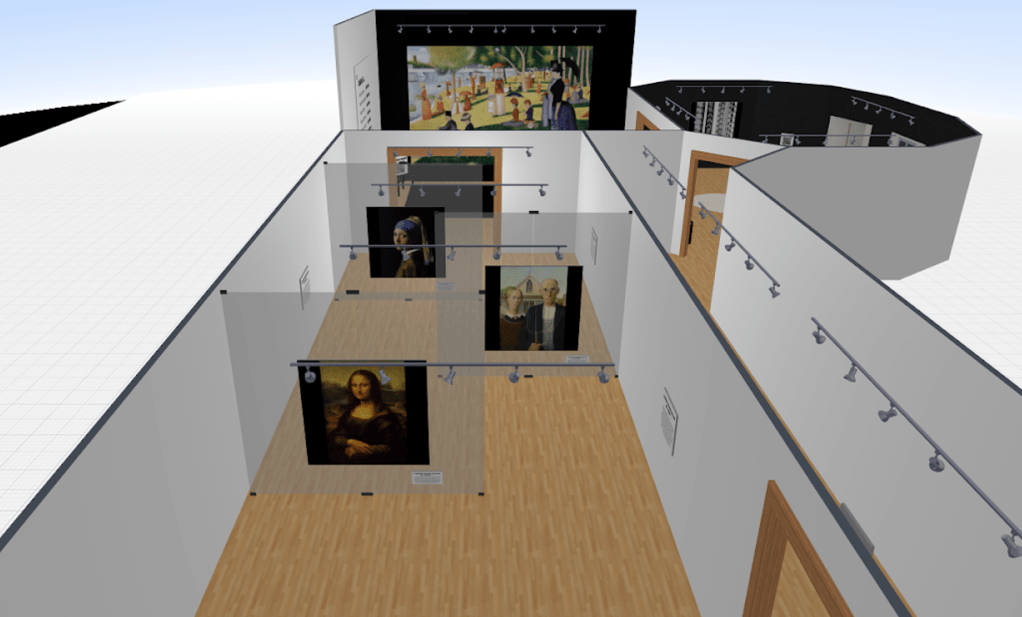
Stage 1: High Art Extreme
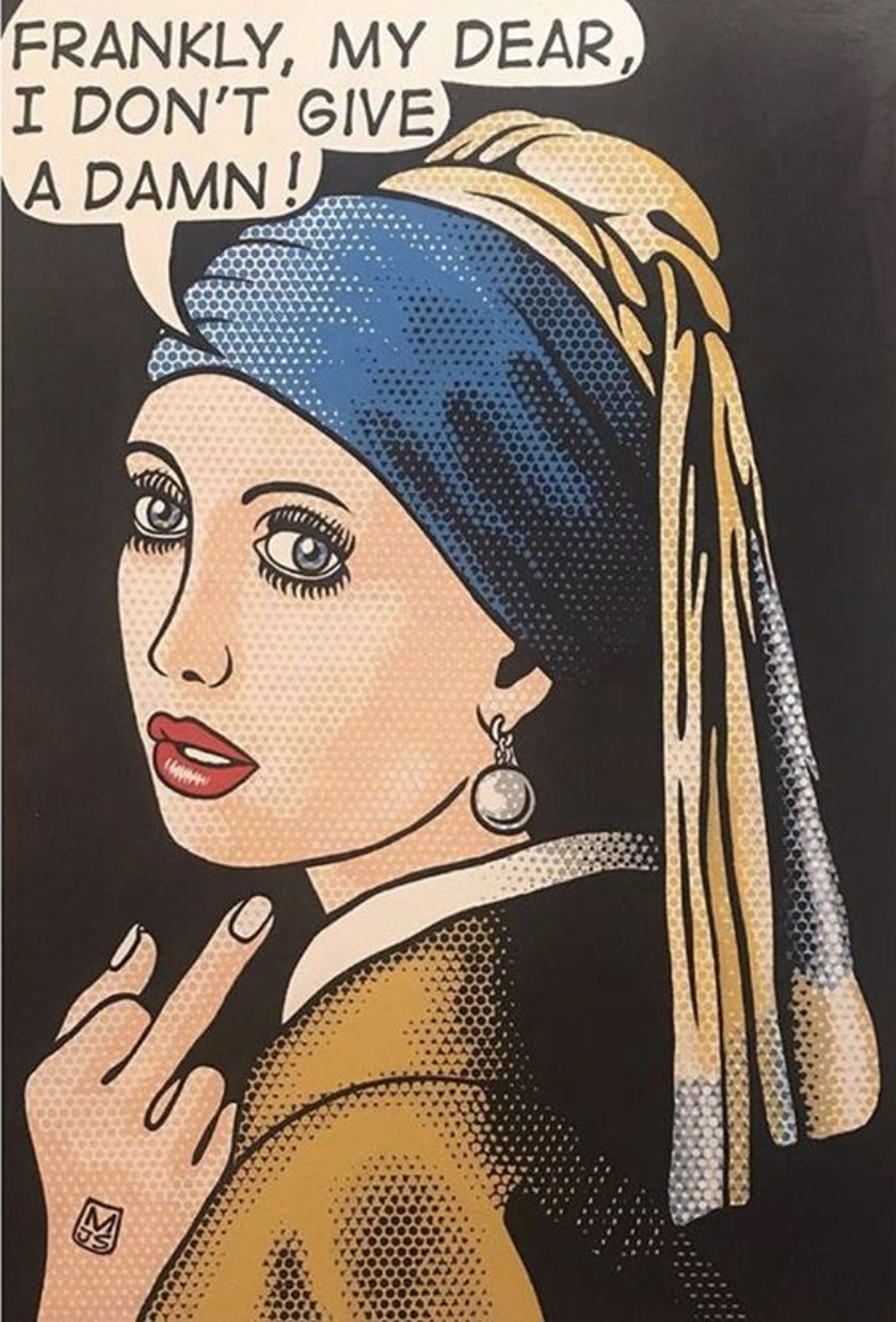
When the gallery opens and visitors enter room one, they will be greeted by some of the high art world’s most valued and well-known pieces including the “Mona Lisa” by Leonardo DaVinci, “American Gothic” by Grant Wood, and the “Girl With A Pearl Earring” by Johannes Vermeer.
Visitors will be encouraged to consider not only the aesthetic value of these masterpieces but their historical weight and the high skill required to create them.
Stage 2: Merging High Art & Dada
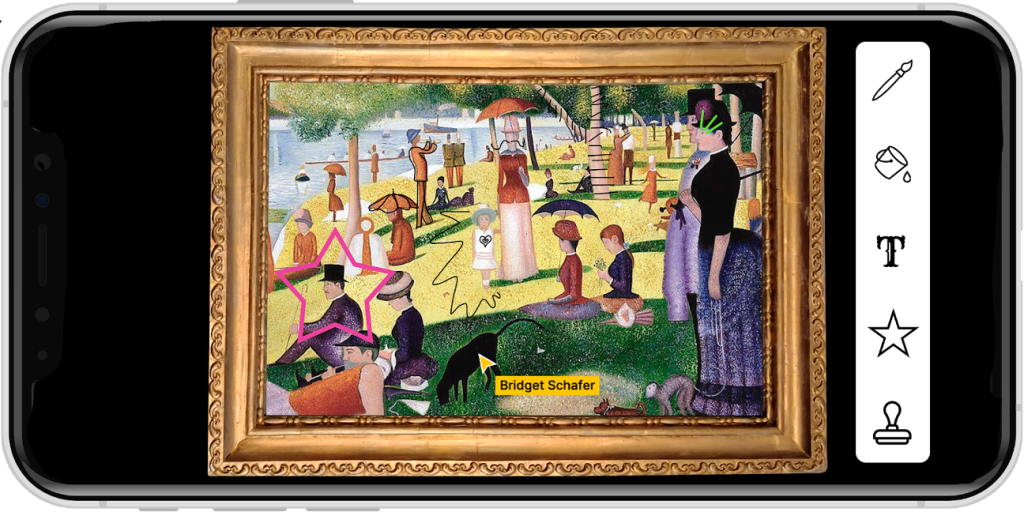
In the second room, they will see another well known and much-valued artwork – “A Sunday Afternoon” by Georges-Pierre Seurat – projected on one wall.
However, when visitors scan the QR codes next to the painting they find that it is not just meant to be looked at.
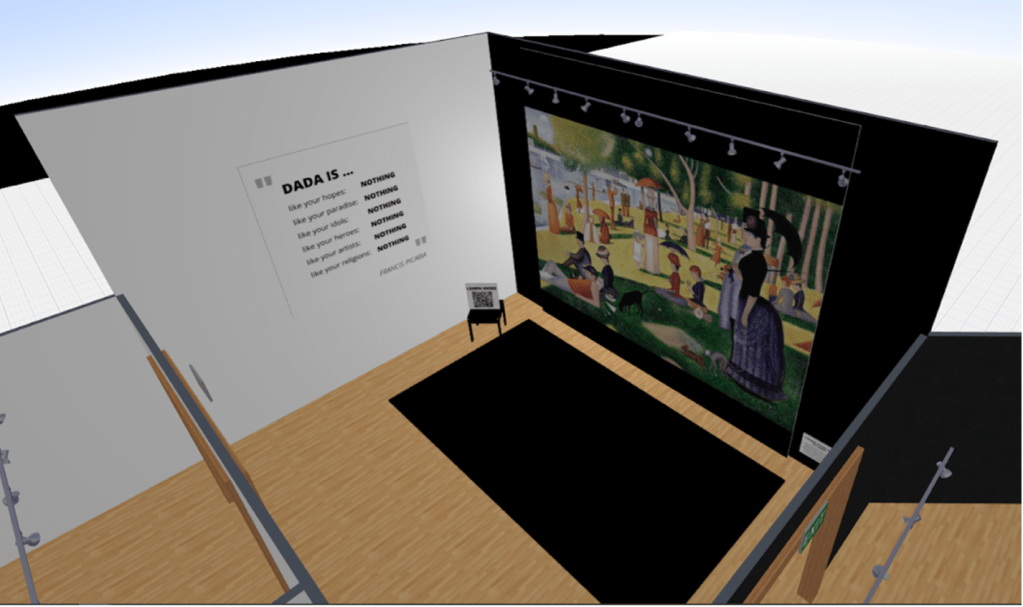
The QR codes featured in this room will take participants to our first touchpoint, an artist’s tool kit.
Directions within the site will encourage them to destroy the painting. It is the first major painting that guests can interpret Dada as their own.
The guests are given the option to revamp the paint through their phones, and this allows guests to enter a new mindset and start understanding how Dada plays a role in everyday life.
Stage 3: Dada Extreme
Moving to the next room, they will see some of Dada’s most critiqued pieces, including Theo van Doesburg’s “Kleine Dada Soirée”, Fernand Léger’s “Ballet Méchanique”, and three pieces of Marcel Duchamp’s “Readymades” series.
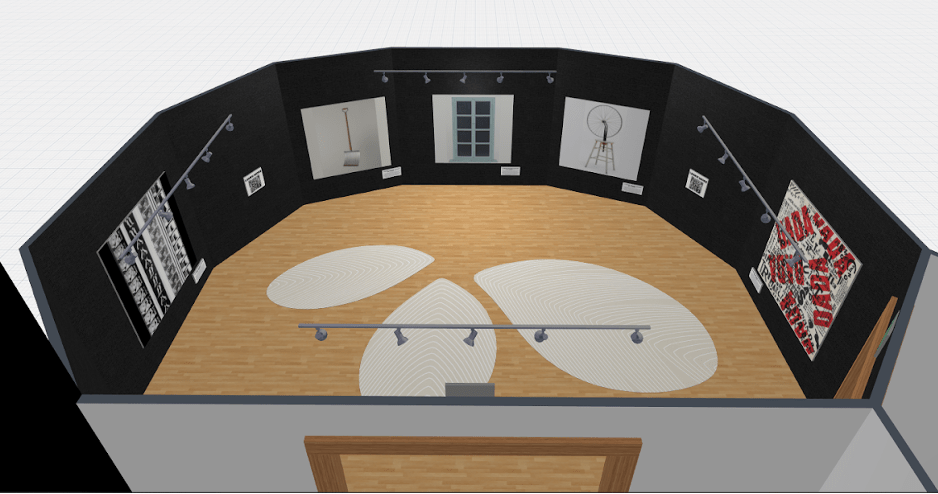
Guests will again scan a QR code for our second touchpoint. We were inspired to emphasize the importance of physical objects from our artifacts and wanted to highlight that inanimate objects also scream Dada. Dadaism puts spotlight on mundane objects to make them into something so special.
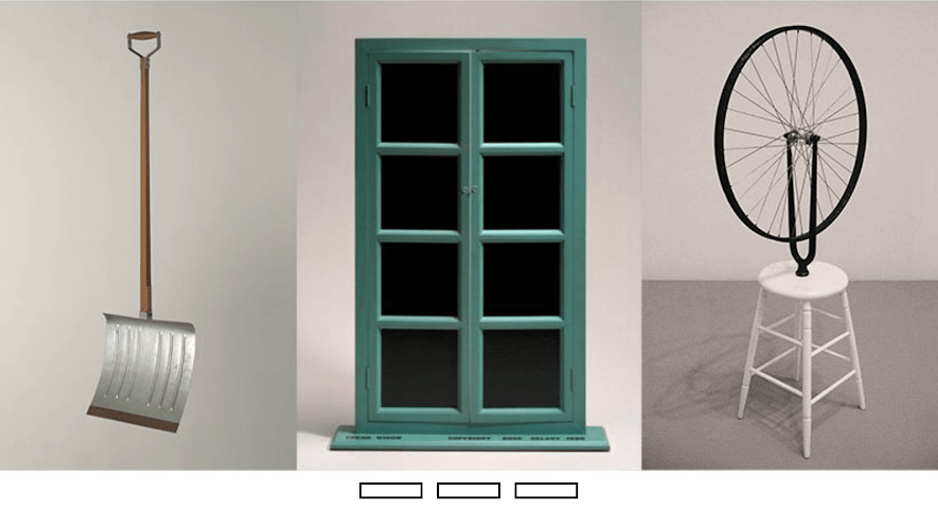
Our final touchpoint reveals itself as visitors exit the third room. Signs will encourage to scan another QR code, revisit the first room, and look at the first three pieces through an augmented reality lens. As the AR registers each painting, users will tap their screens to see them reimagined in the Dada style.
Contrary to the last touchpoint, they will now experience Dada’s critique of the art world.
Visitors will leave with their concept of “what makes art” art challenged, and a more critical perspective of what purpose art serves in a society.
From this we wanted to capture the emotions that were gained from our design probe: confusion, enlightenment, and humor.



My Contribution
- Coded the 2nd touchpoint using HTML and CSS
- Researched into different virtual museum spaces around the world through competitive analysis
- Sketched out different narrative arcs for guidance to the problem space
 James Chang's Portfolio