The project is to stop users to “fake out” activity monitors in order to achieve the goals set by their companies and themselves.
Create or modify an existing activity tracker application that links to a basic wearable device, empowering users to be healthier.
Investigation
&
Research
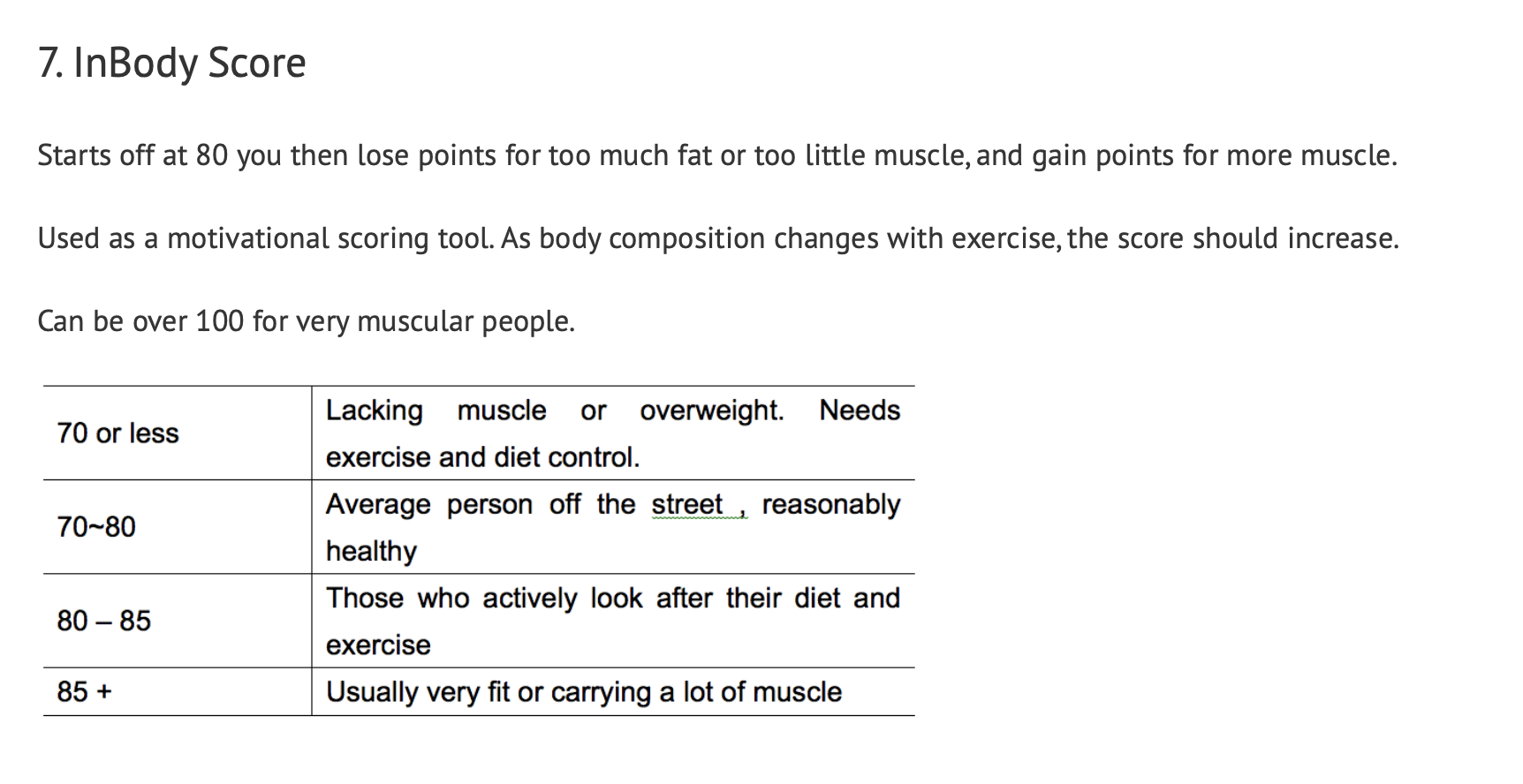
In an attempt to stop the “fake out”, we first came up with the idea of testing all the users through the Bioimpedance Analysis Machine. When tested by the machine, everyone is given an InBody Score between 0 and 100. This way, it is supposedly impossible to fake the system. Every half a year, the users will be tested again to see if there were any increase or decrease in the score.
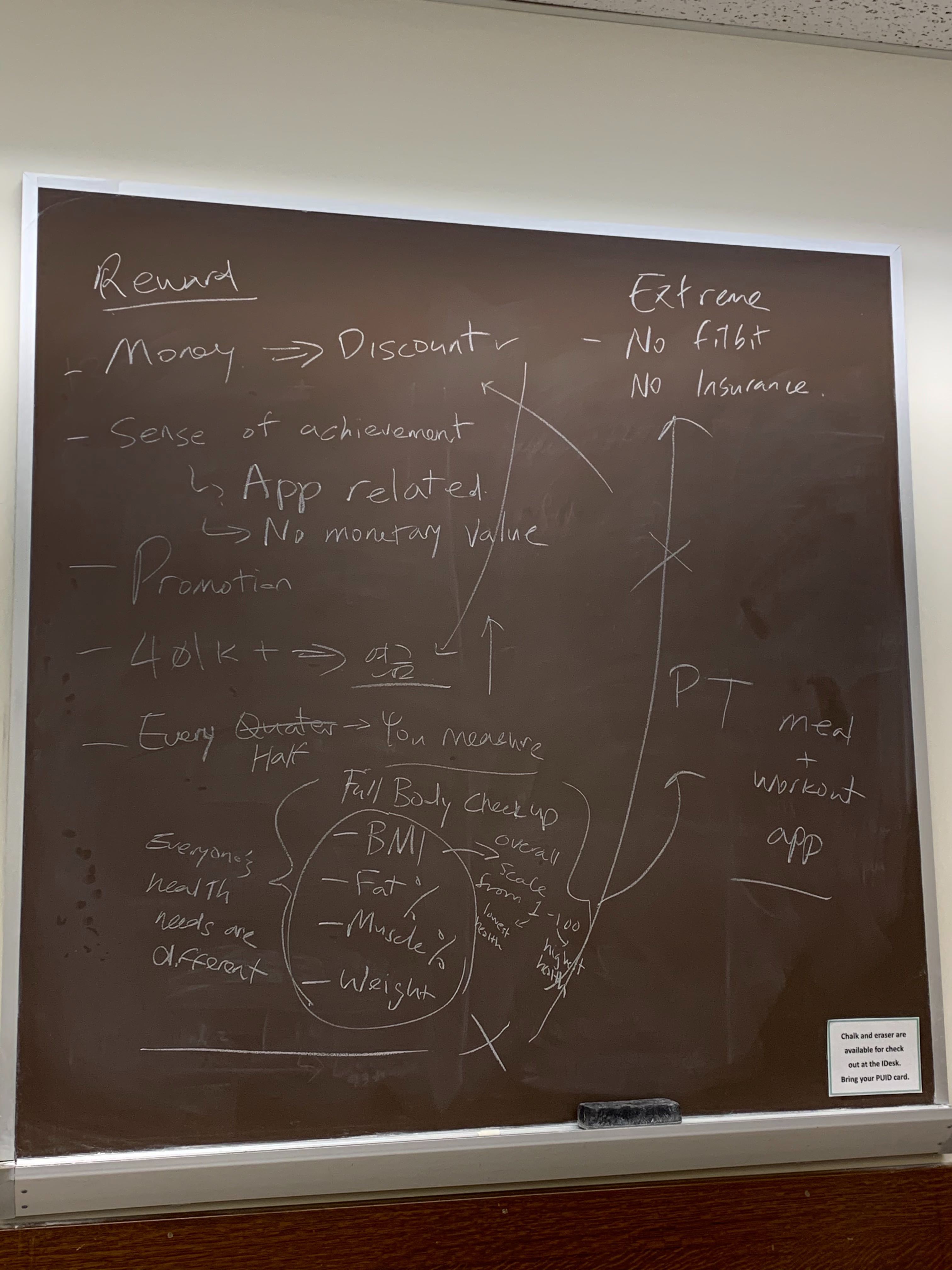
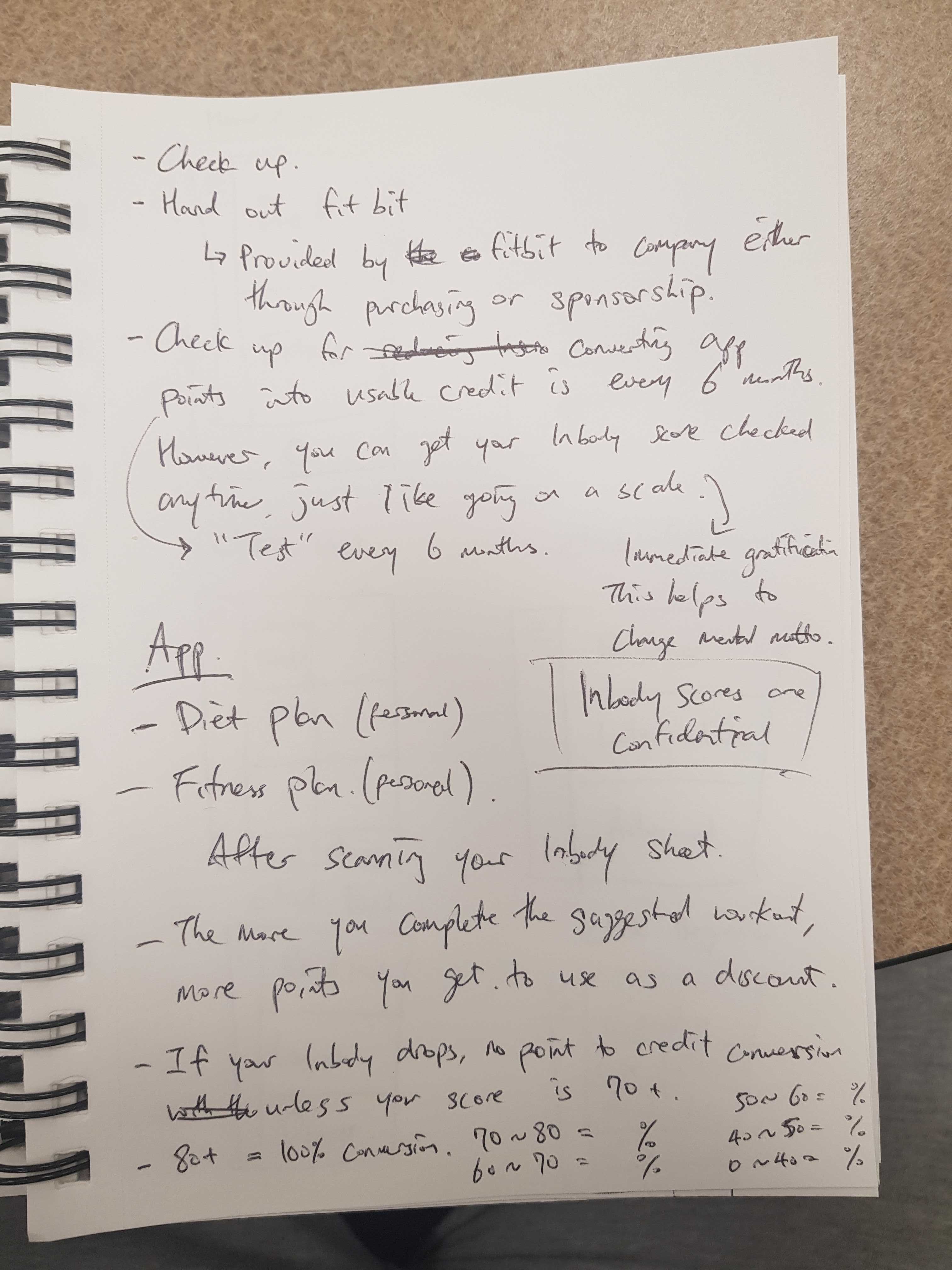
Mid-Project Check up
Dr. Gray believed the InBody Score is demoralizing for users. Users will compare their scores with each other, and it would discourage them from exercising, which is the opposite of what we wanted. We redirected to a user-centered path, rather than the developer-centered path we were previously on.
Investigation & Research 2
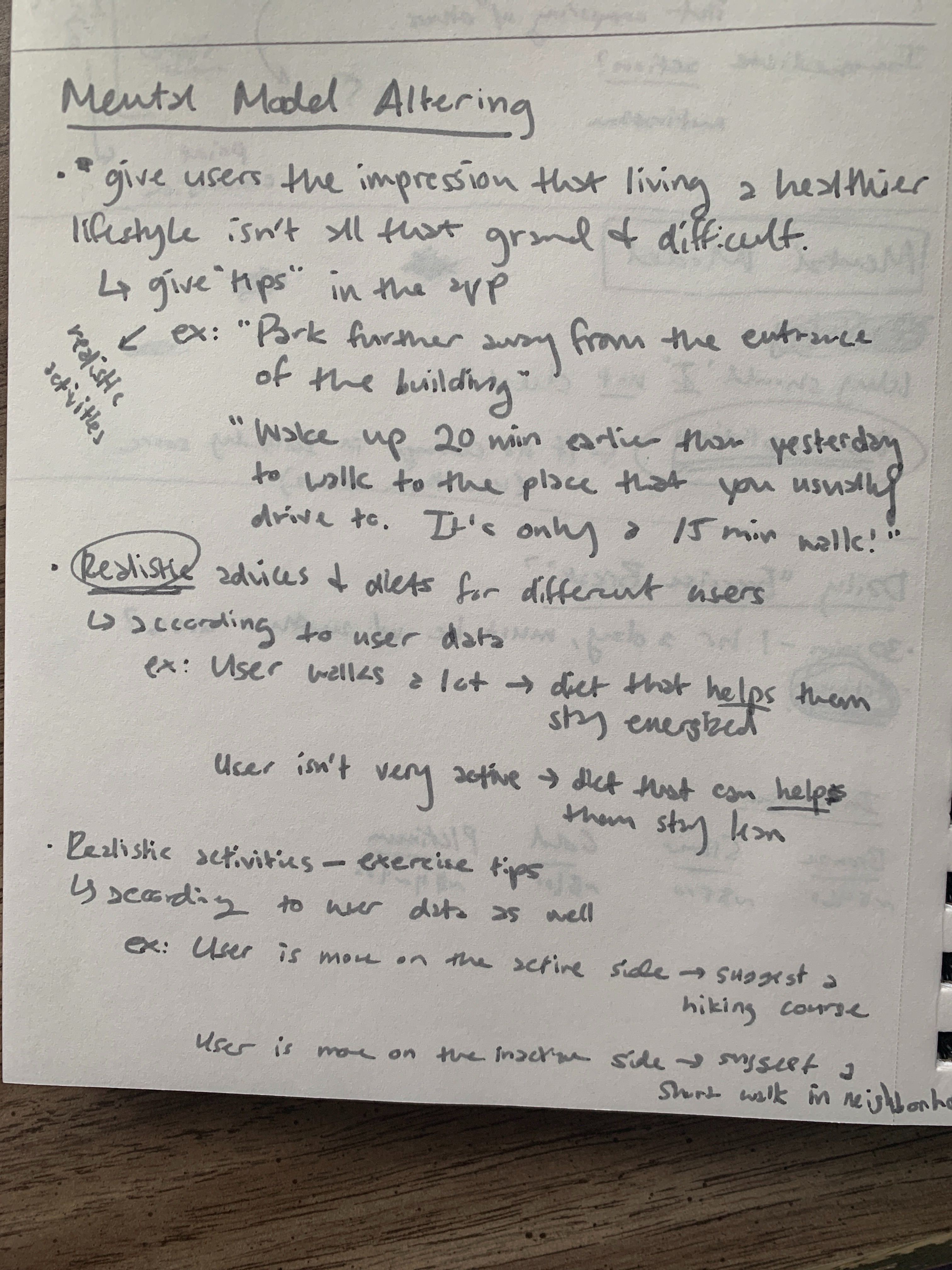
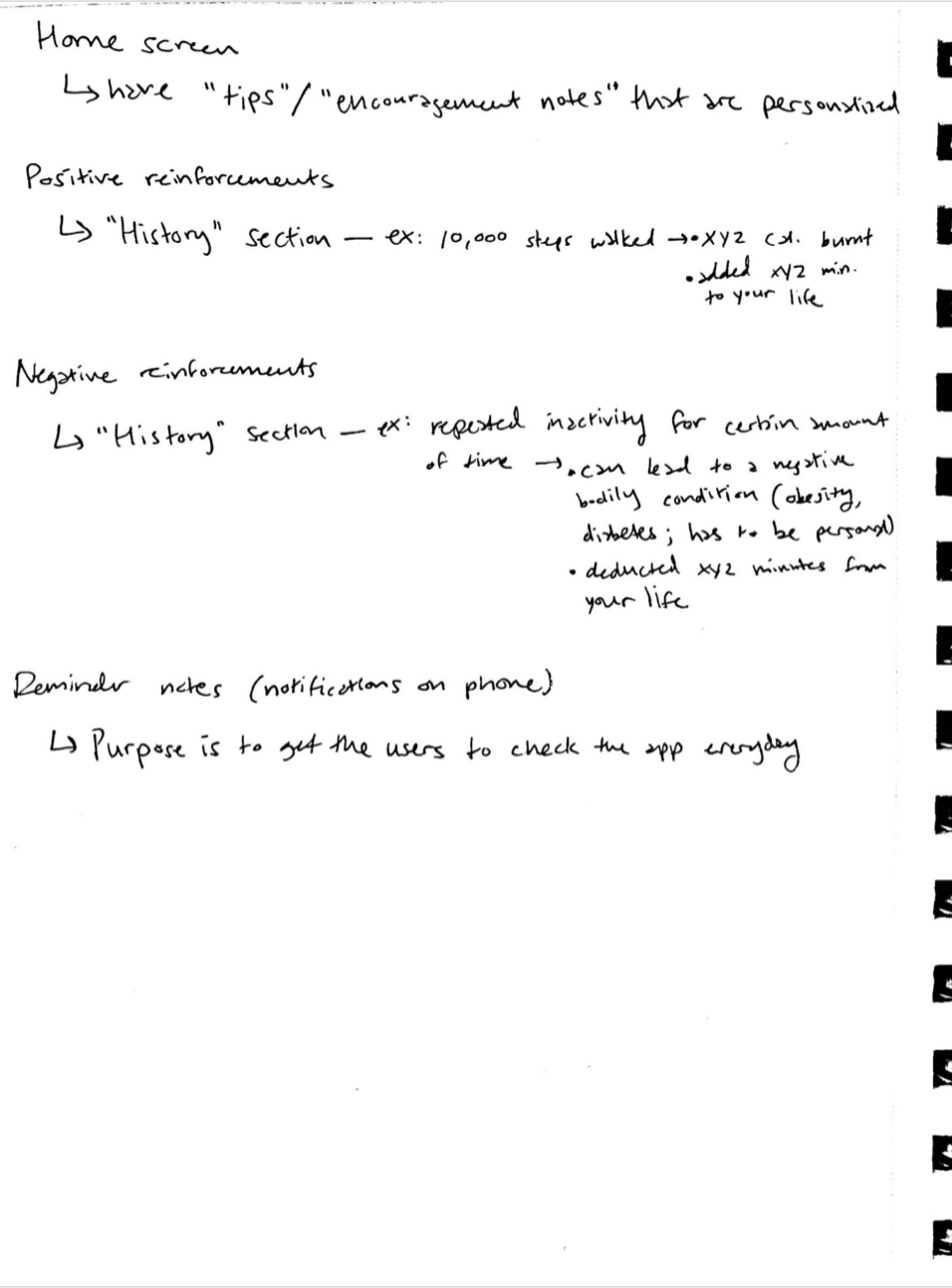
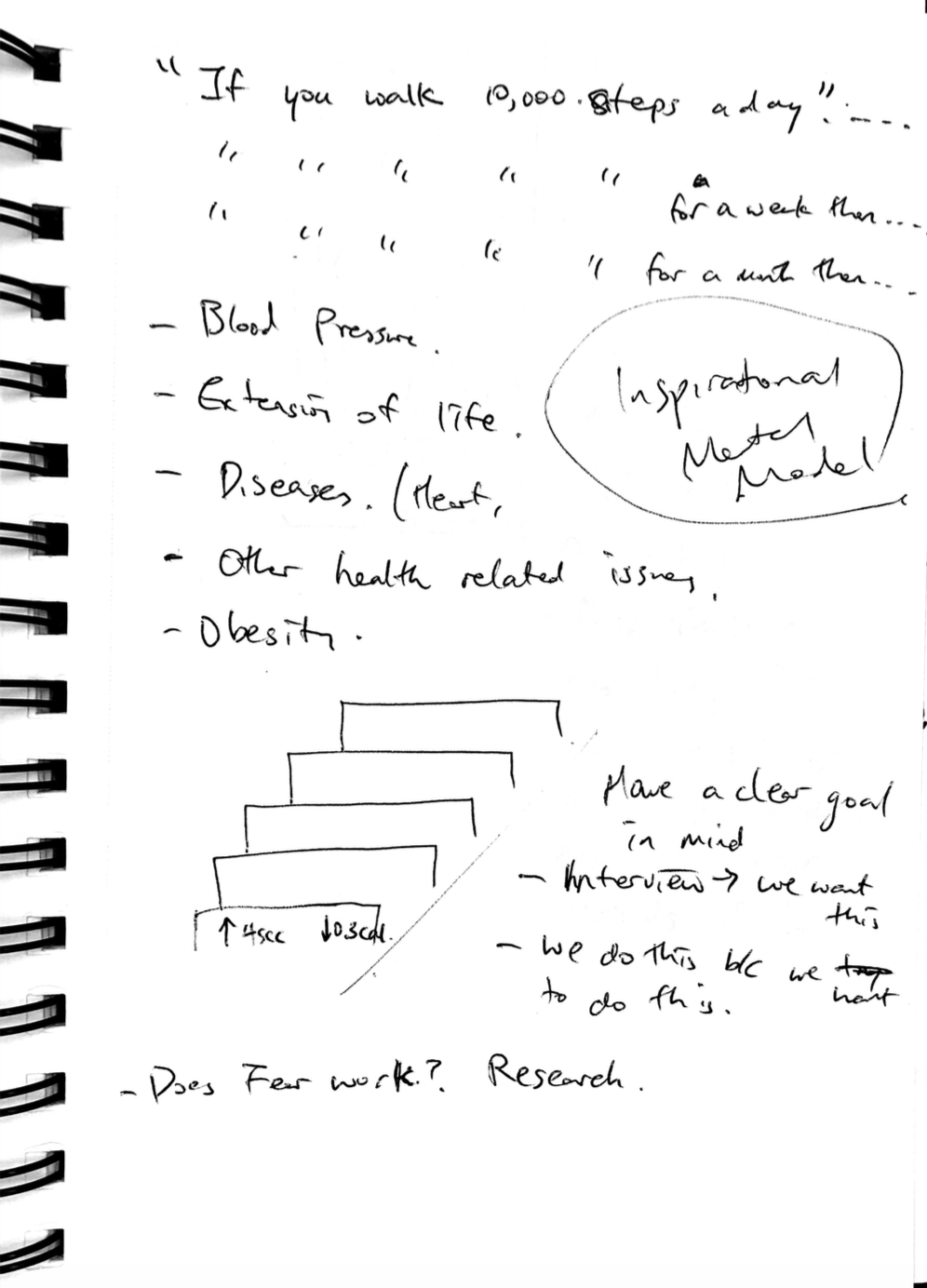
We redirected our mindset to altering the mental model. To achieve this goal, we needed to imply positive and negative reinforcement to either encourage or input fear into users. We soon found through research that “combination of positive and negative reinforcement was most effective for increasing compliance” (Bouxsein, Roane & Harper).
Second Draft/Ideas
We came up with more ways of applying positive and negative reinforcements, and summarized what those two mean, and how they will affect the users to live a healthy lifestyle in order to reduce users from the “fake out”.
It wasn’t about forcefully stopping the users from “faking out”, as we wanted it to be in the beginning. It was all about implanting a healthy lifestyle the users can maintain.
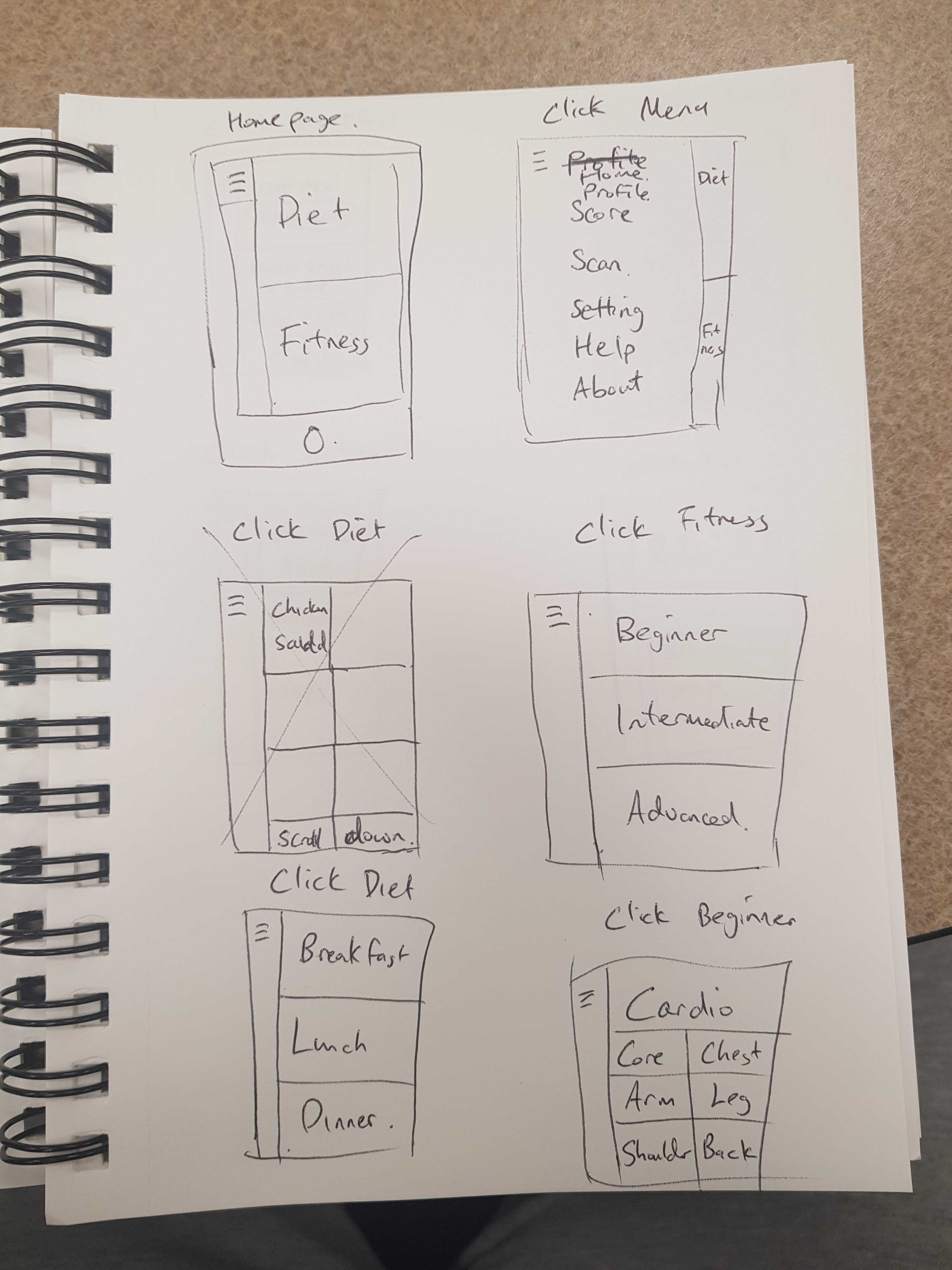
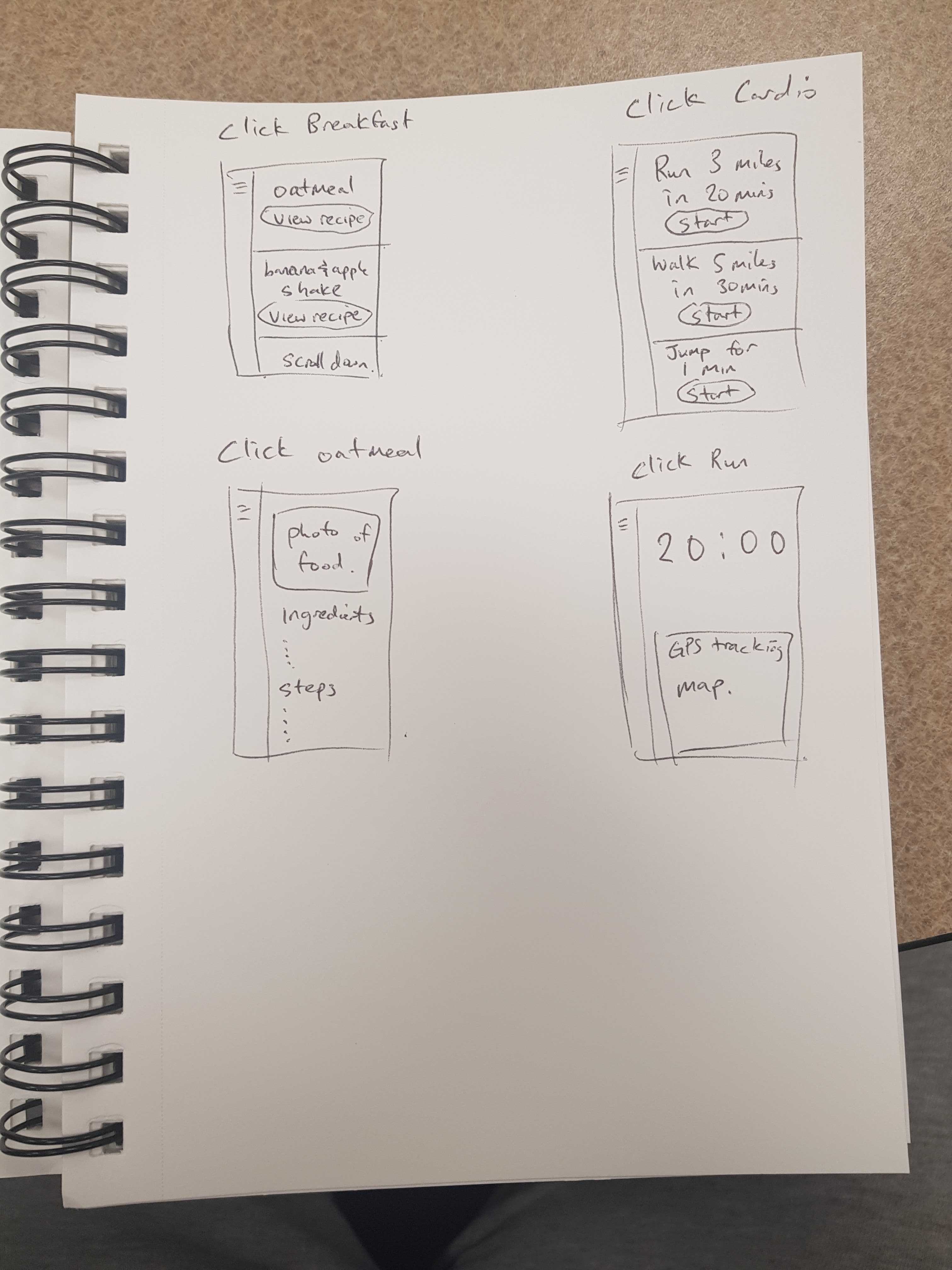
Prototype Sketch
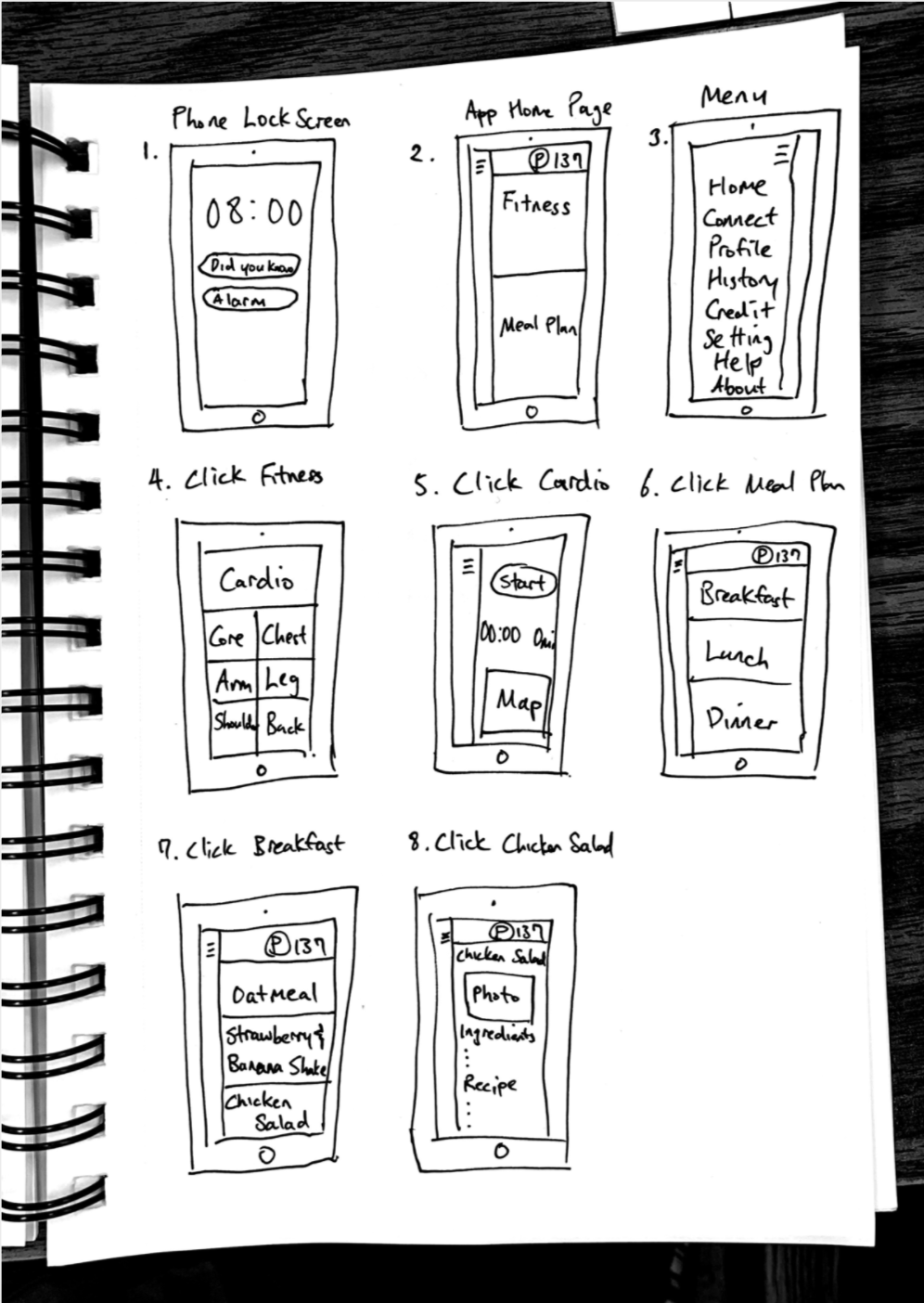
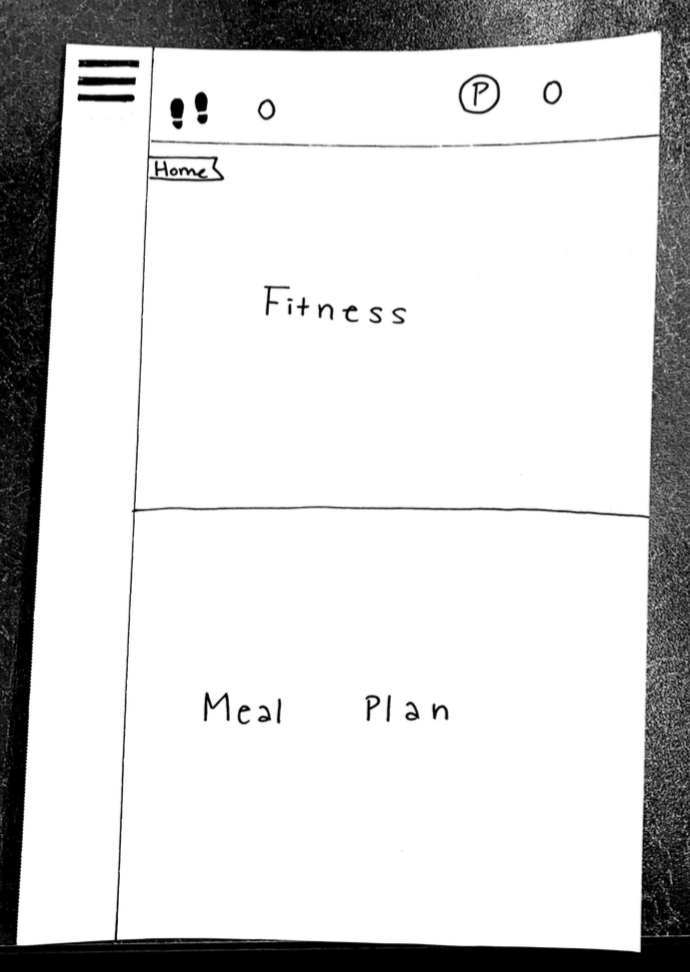
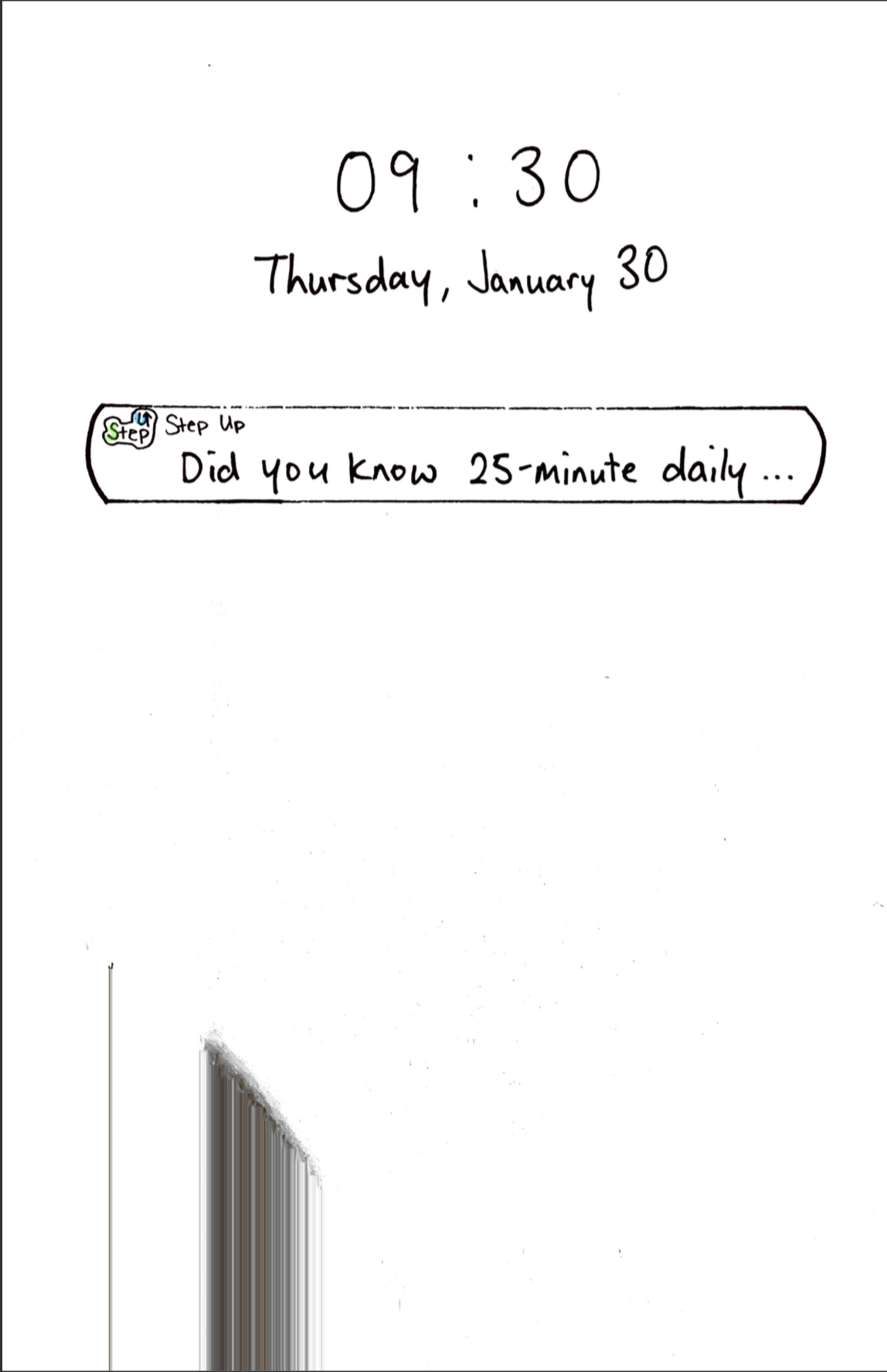
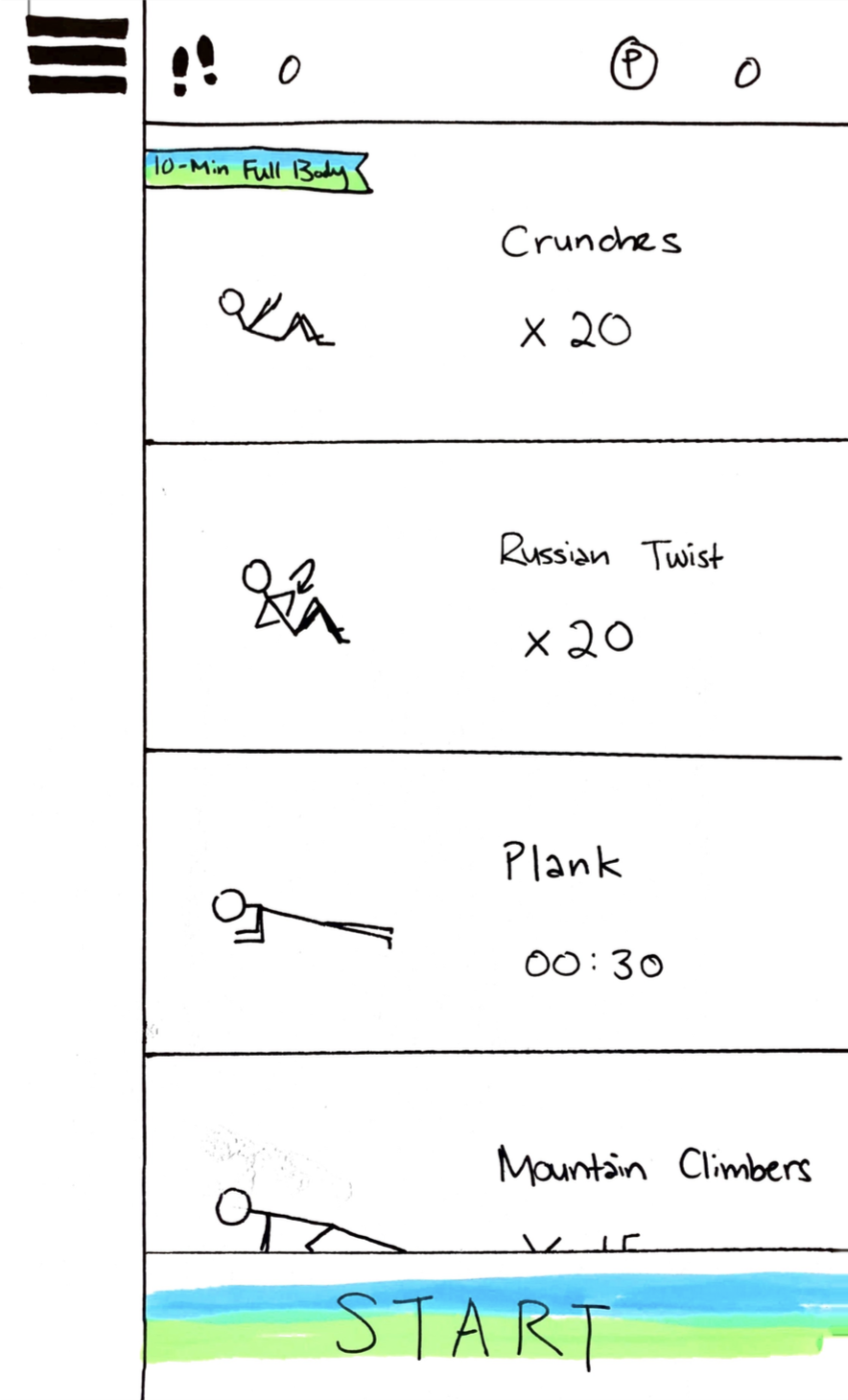
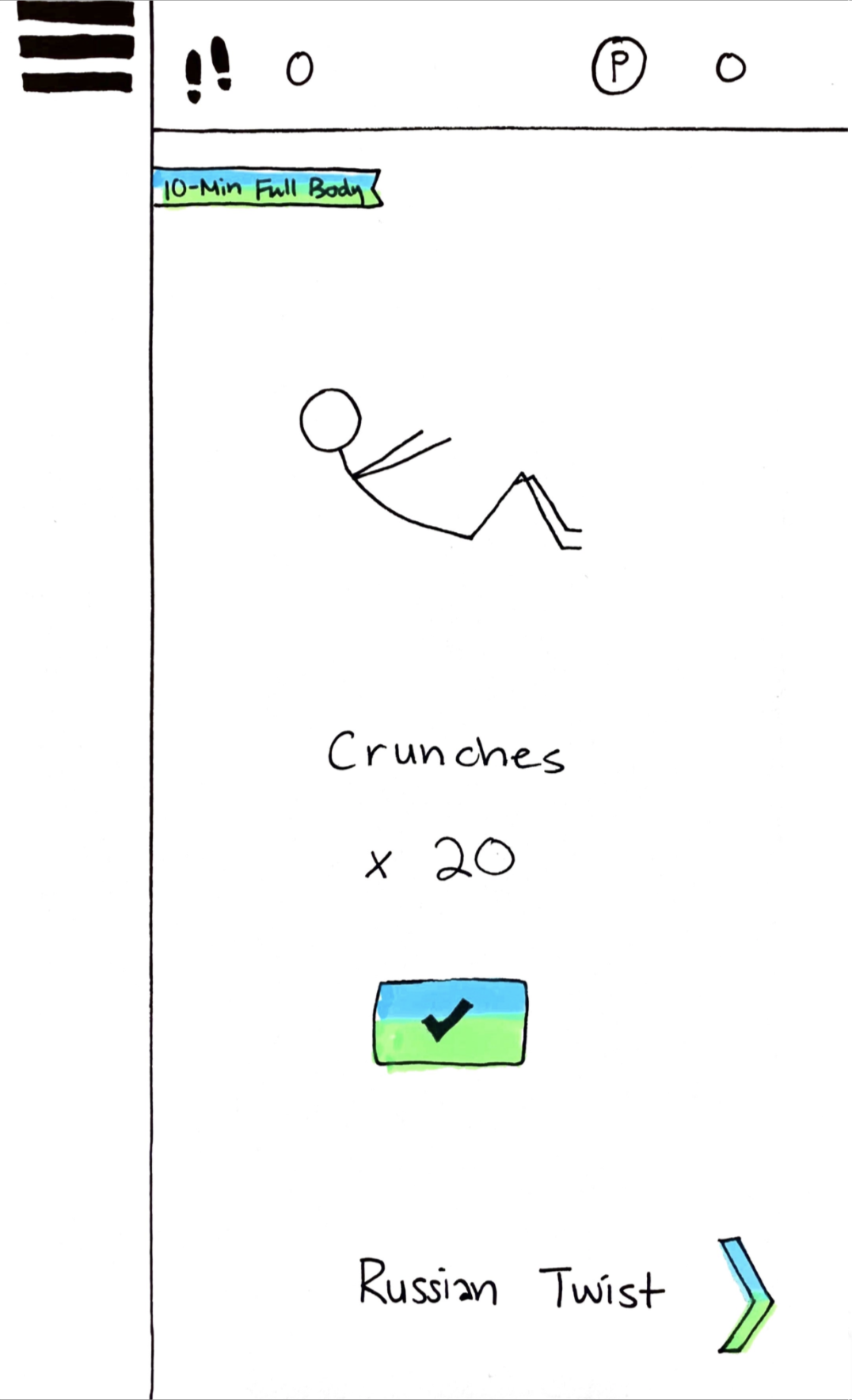
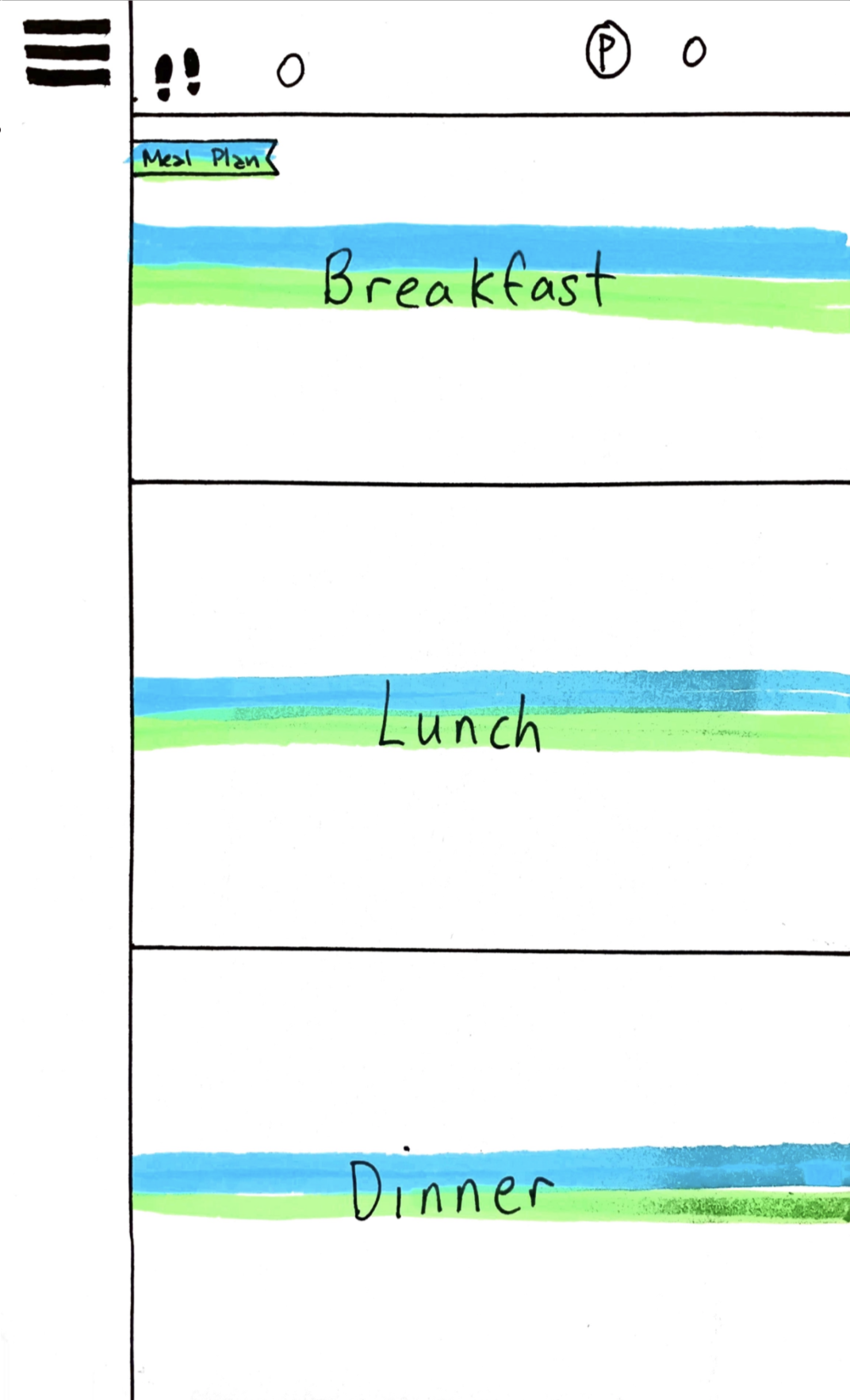
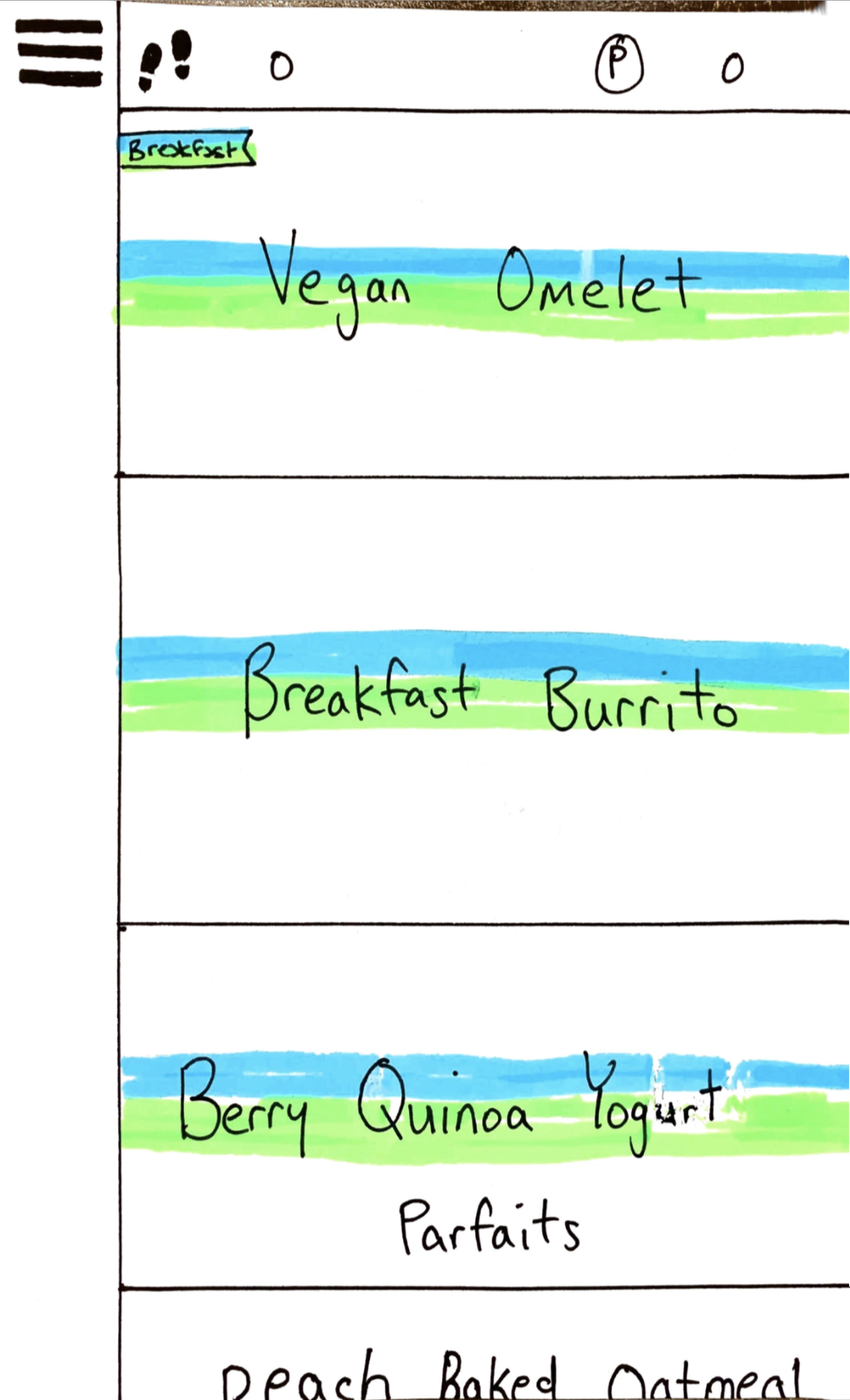
The positive and negative reinforcements would be applied as “health facts” through notifications that pop up on the phone lockscreen. We would help users out with the meal plan and fitness plan so they would have an easier time knowing what exercises to do, and what meals to eat, as those two can be overwhelming at times and eventually lead to quitting.
Interview
Goal
Alter users’ mental models to discourage them from faking their fitbits, and instead have them know what activities are beneficial to their health for them to live toward healthier lifestyles.
Target interviewees
- Users who have to use fitbits because they are told to (from work)
- People who have changed their mental models to live a healthier lifestyle
Personas


Avery 20 | Female | College student
Avery is an undergraduate student at Purdue University, majoring in Economics. Classes take up most of her day, and when she’s not in class, she likes to go home to do homework or read books. She’s not much of an active person, so she prefers activities she can perform alone and quietly that don’t require a lot of physical efforts. Avery has thought of visiting the gym to exercise or to try out a sport, but she always felt distant from being active; she didn’t know much about sports themselves, and never quite felt a strong need to start working out. In addition, gyms were always too crowded, and she had felt insecure in the past when she went to exercise. She would like to take short walks or jog early in the morning, but she lacks self-motivation.
Kenny 26 | Male | Journalist
Kenny is a news journalist at Time (magazine). After graduating from UT Austin, he has been successfully using his talent and knowledge in the field of journalism, and is very satisfied with his job and current life. Kenny’s goal, in terms of health, is to add exercise to his busy daily schedule. Kenny has some passion for exercising and playing a variety of sports, but he doesn’t understand the importance of putting the exercises into action. He is currently not aware of simple and time-efficient exercises that he can perform either at work or home, during his spare time. He also wants to eat healthily, but is not aware of nutritious foods and diets that can benefit his lifestyle. Additionally, because he has an impression that healthy food doesn’t taste good, he tends to choose “quick-bites” from nearby restaurants. He often asks his co-workers about their healthy lunch preps, but lacks the motivation to actually follow it. He wants to be able to better manage his time for short workouts to increase activity, and enhance the experience with a nutritious meal plan.
Physical Prototype
We created our first physical prototype after gaining insight into the mindset of the people who live healthy lifestyles, how they motivate themselves, and their experience of attempting to change the mental model of those around them. This was the first prototype design that we used that completely got rid of the InBody scale system. We tried to keep things simple, but we didn’t want to lose the details that would drop the usability of the prototype.
Usability Test
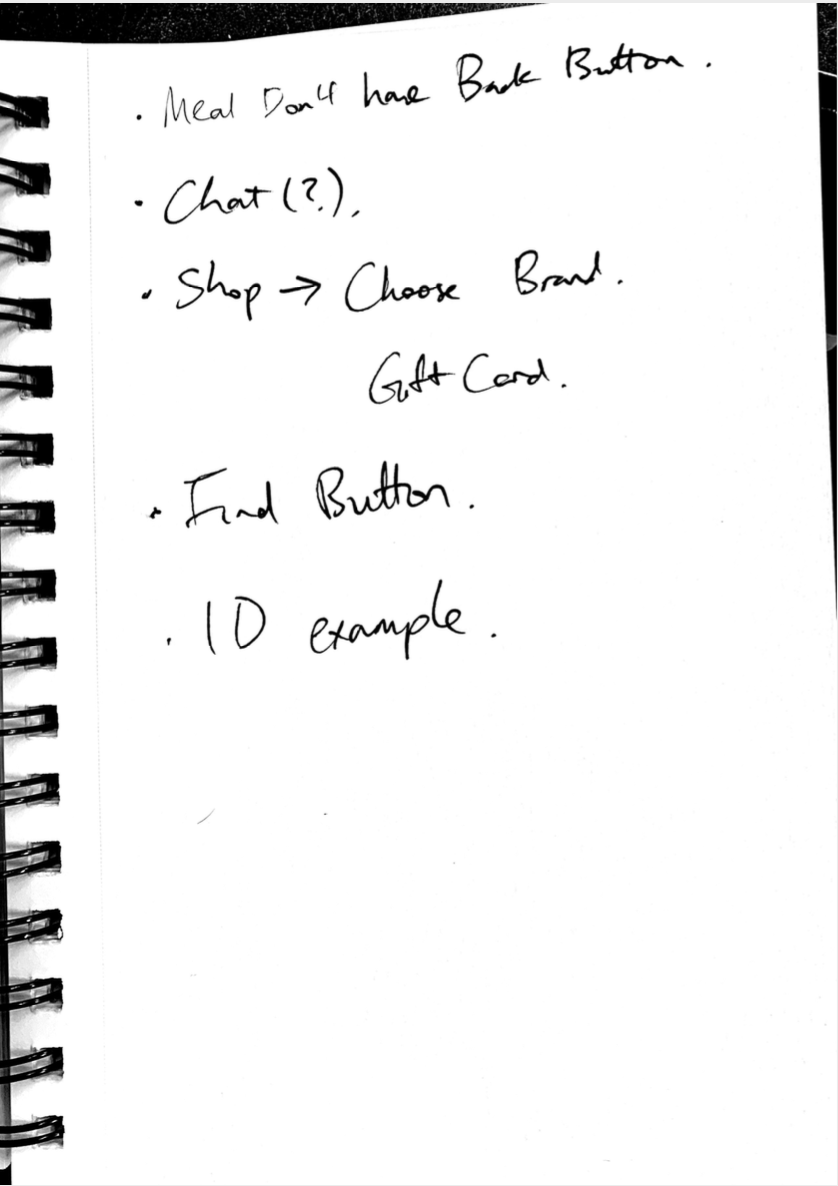
The main problem that repeatedly stood out throughout all tests was that all participants had a hard time identifying which parts were clickable and which parts weren’t.
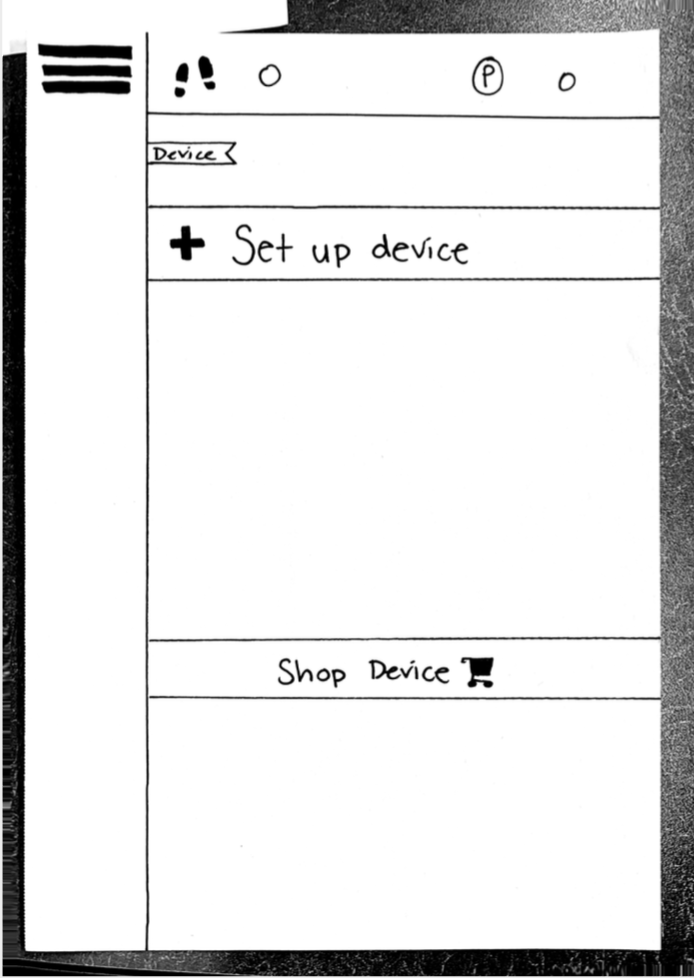
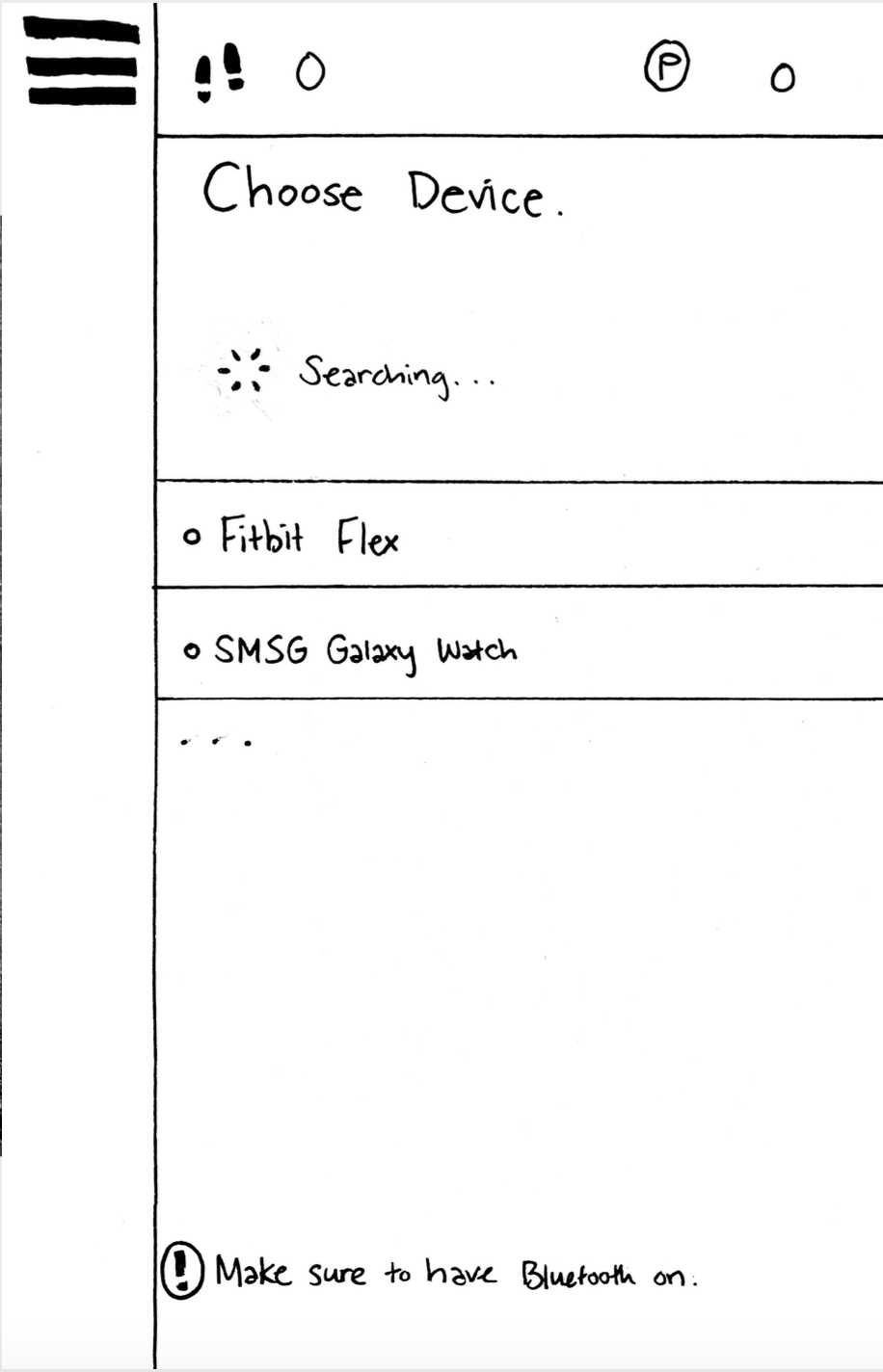
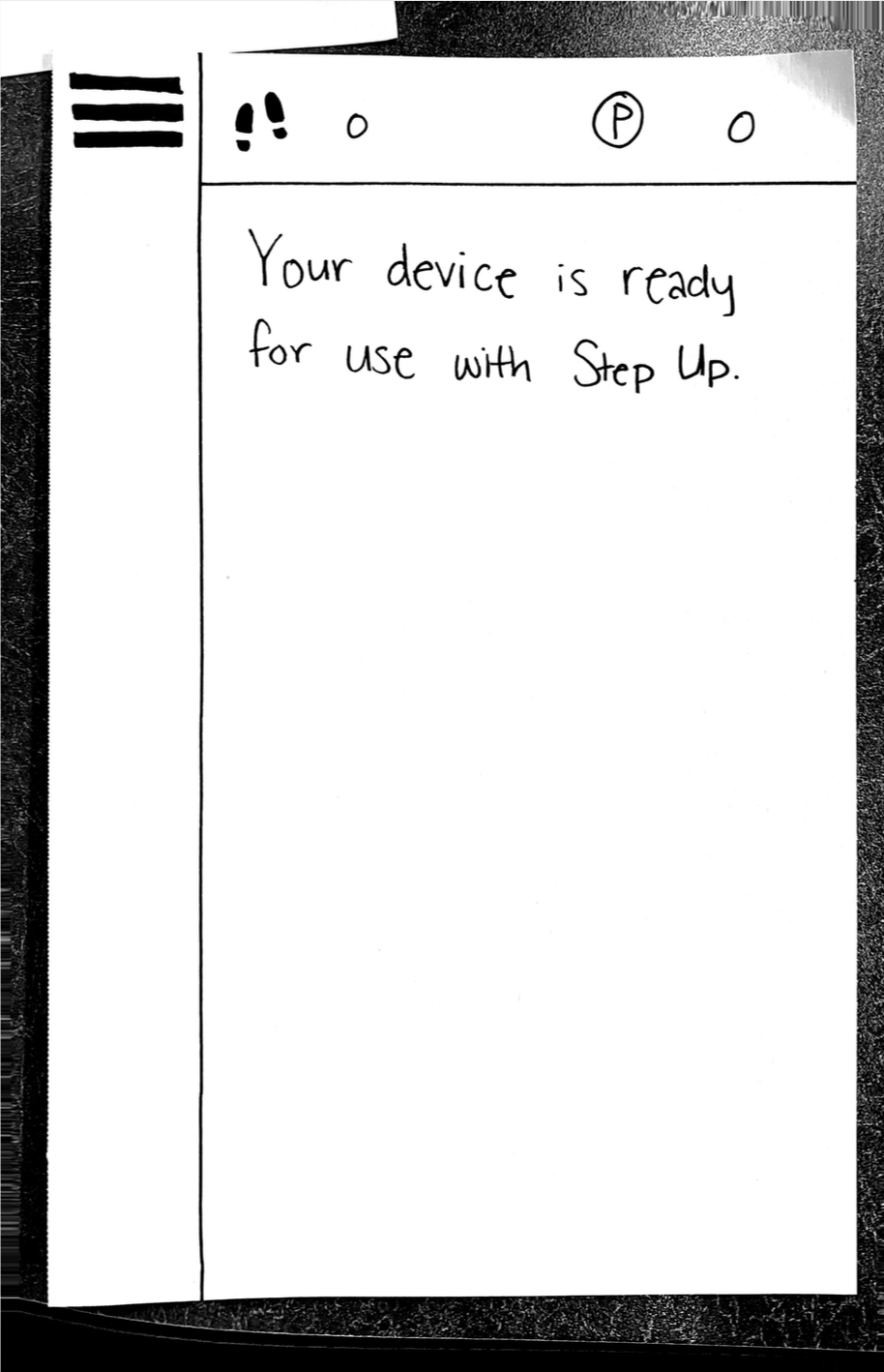
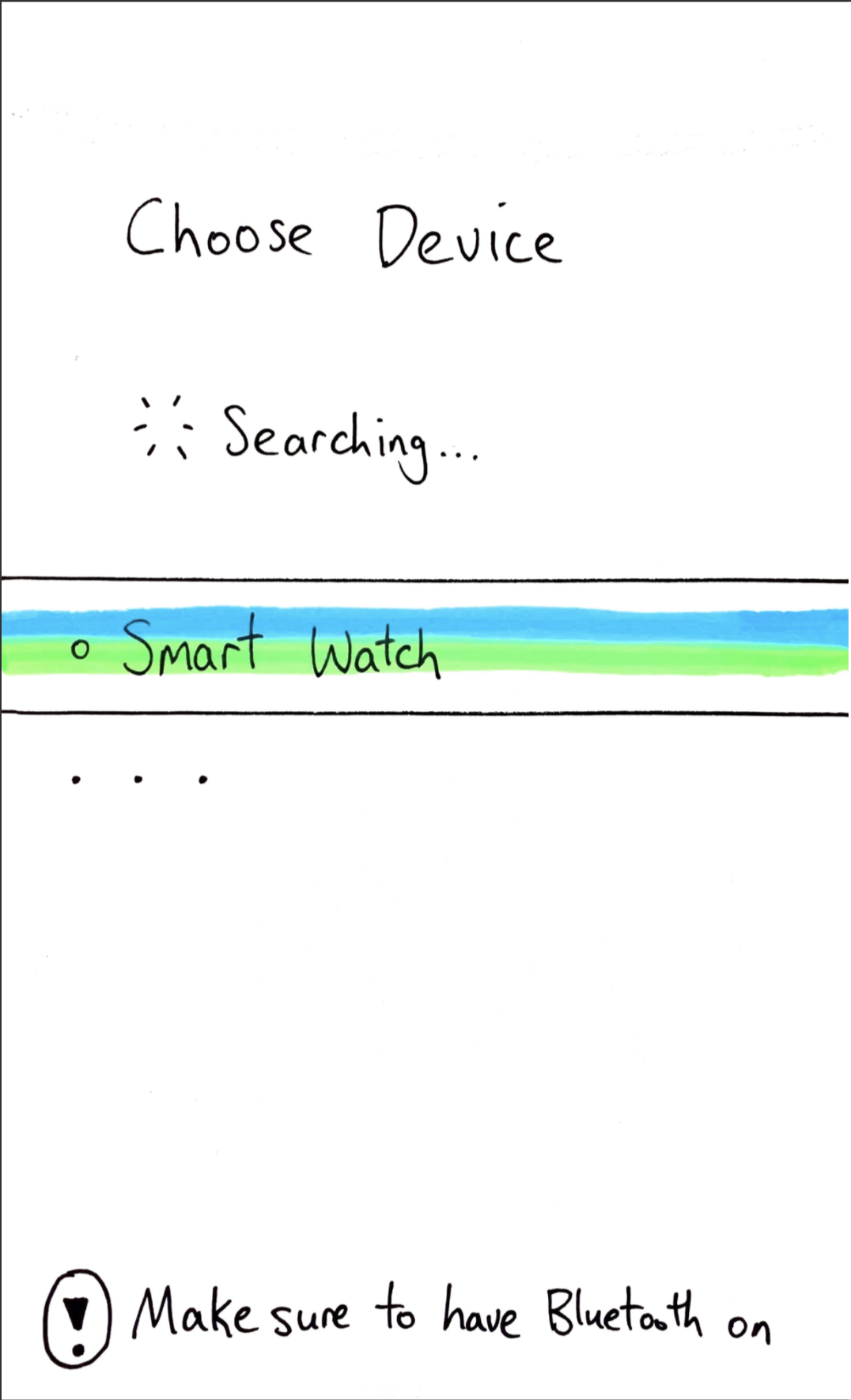
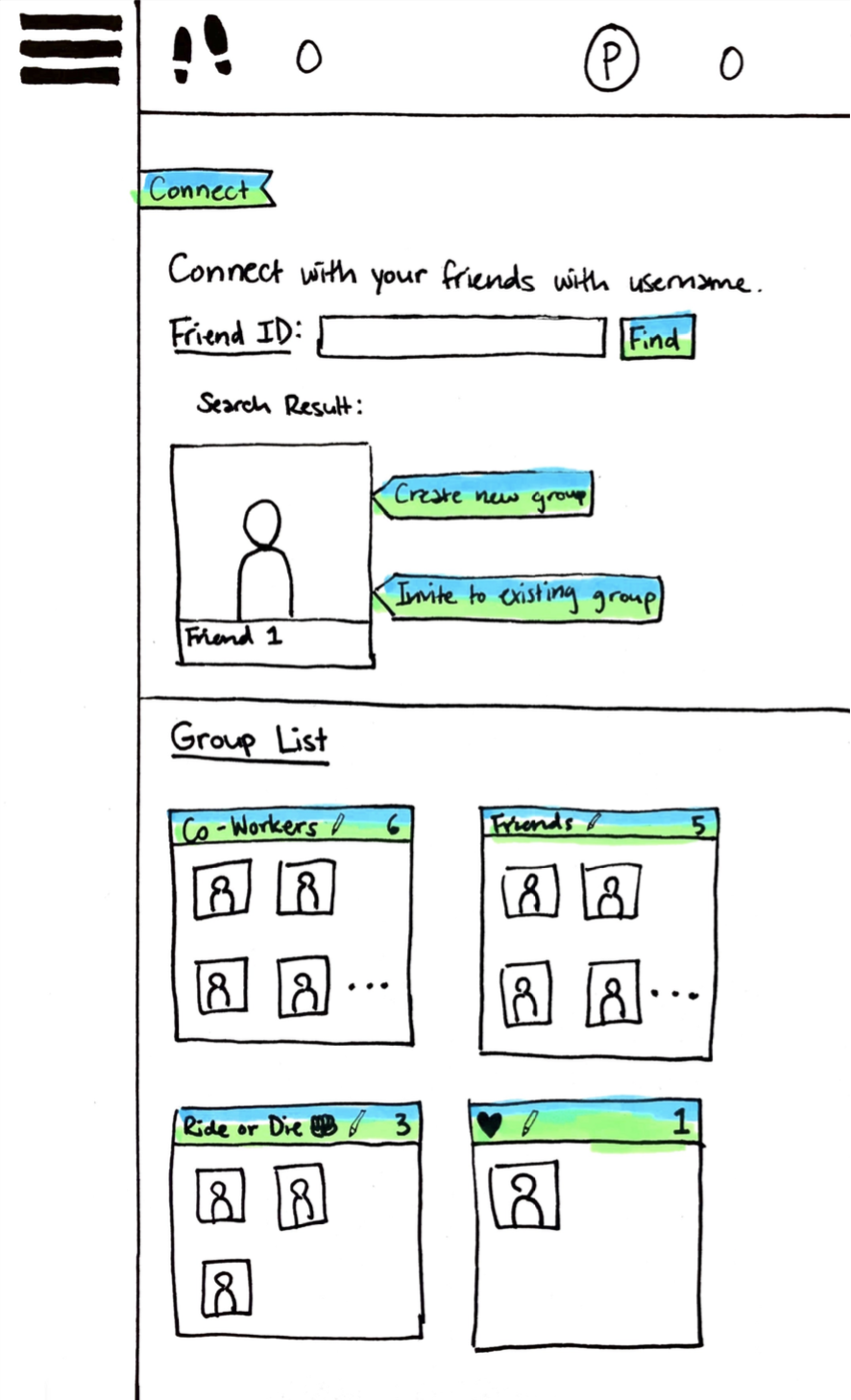
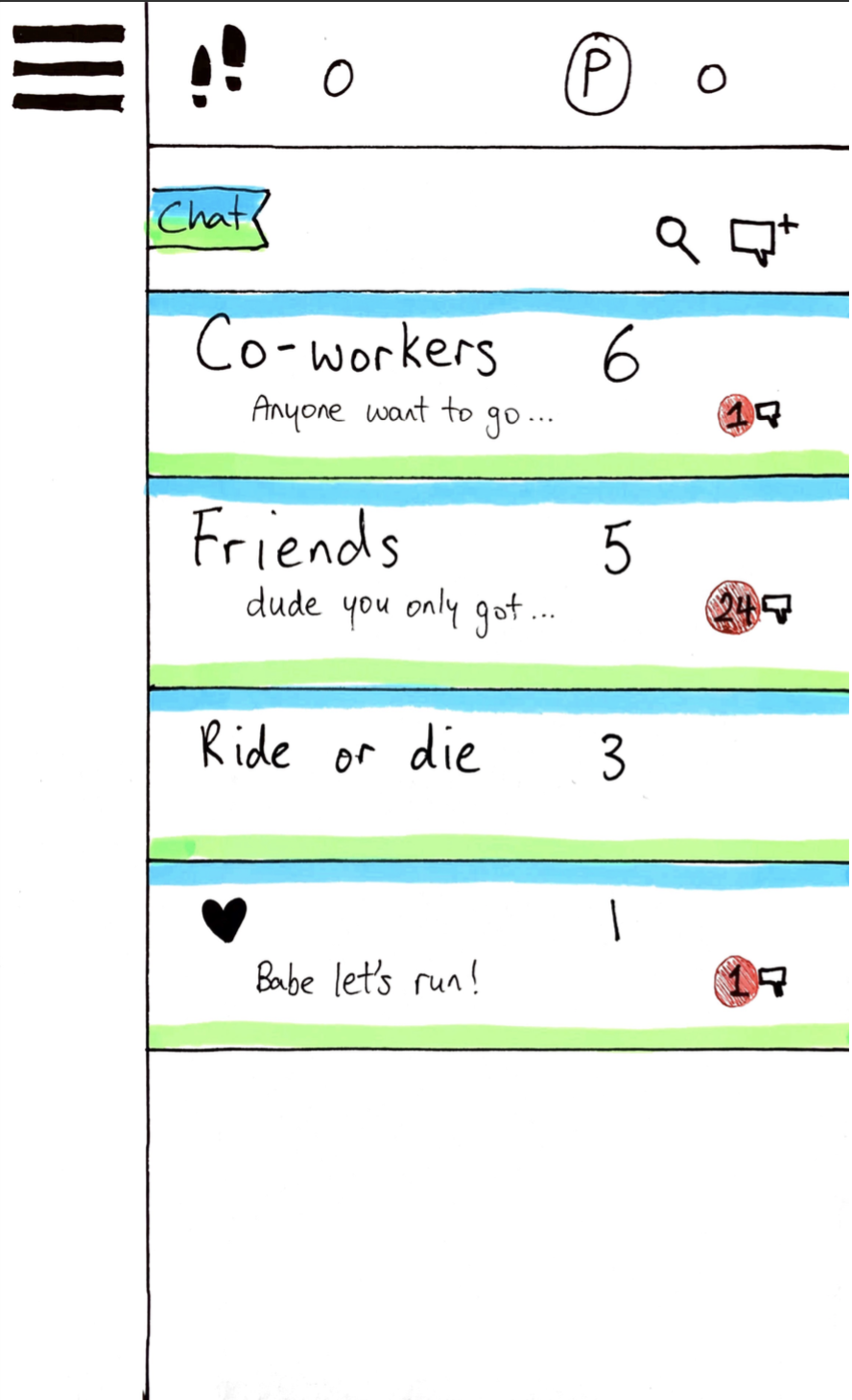
Another big part was that the participants didn’t understand how to connect the smartwatch to the app. Along with these problems, one participant noted that she couldn’t see the point of having friend group systems if you couldn’t talk to them.
Iteration
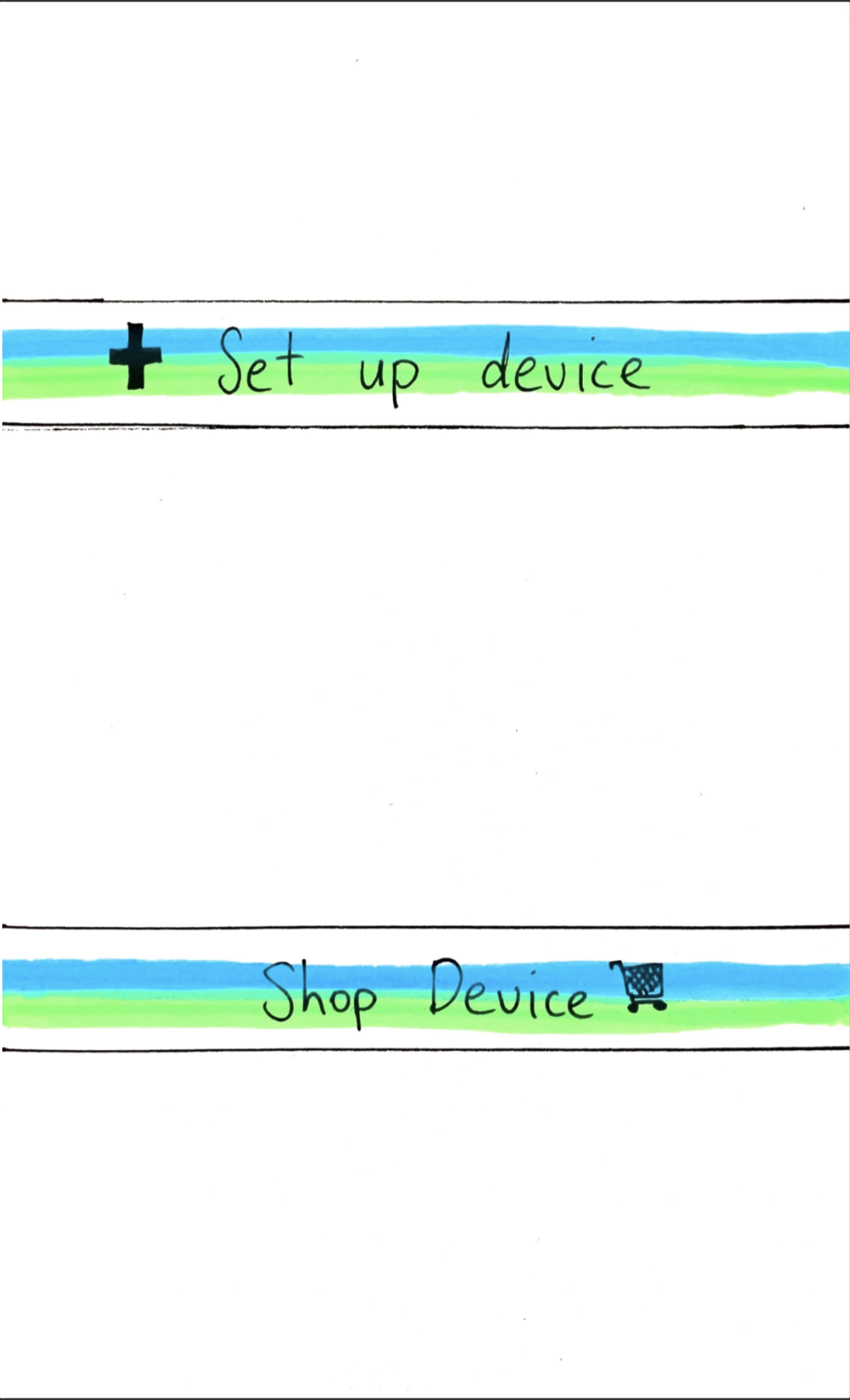
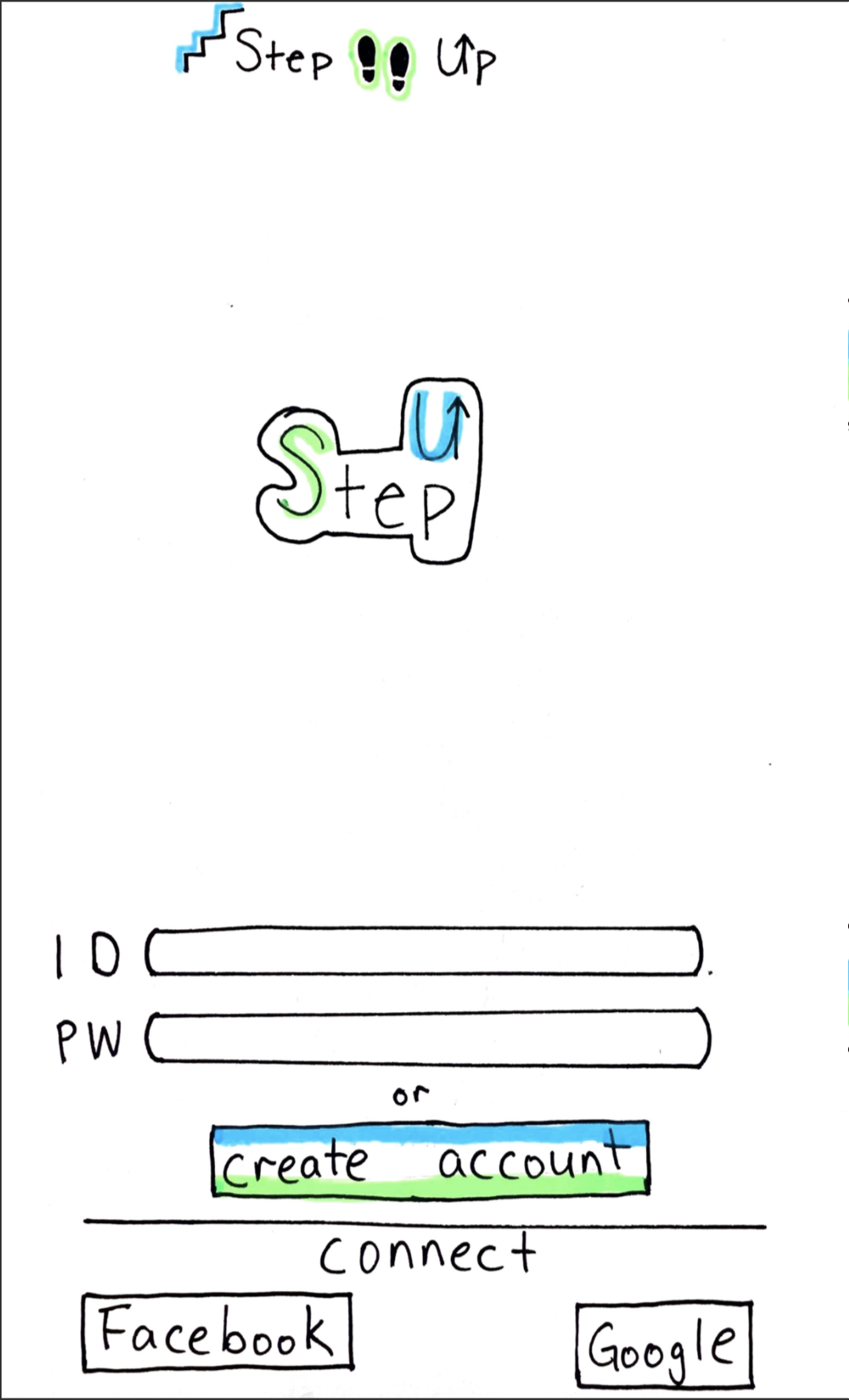
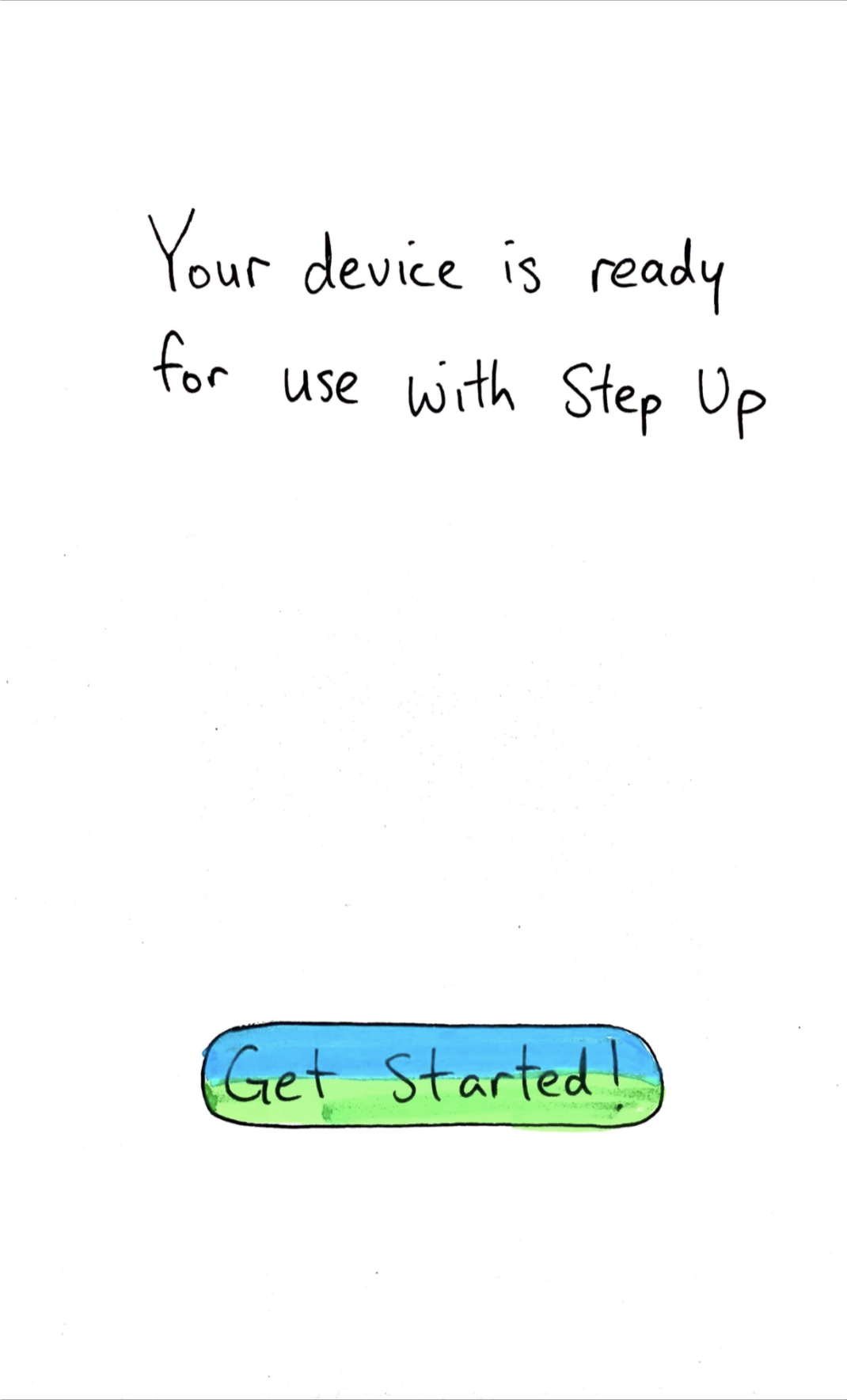
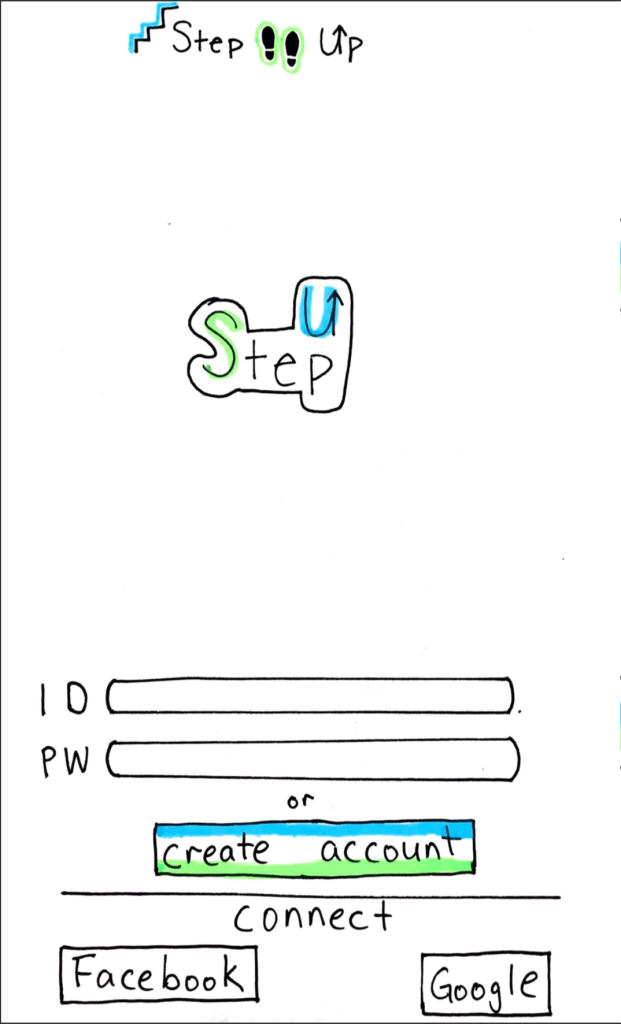
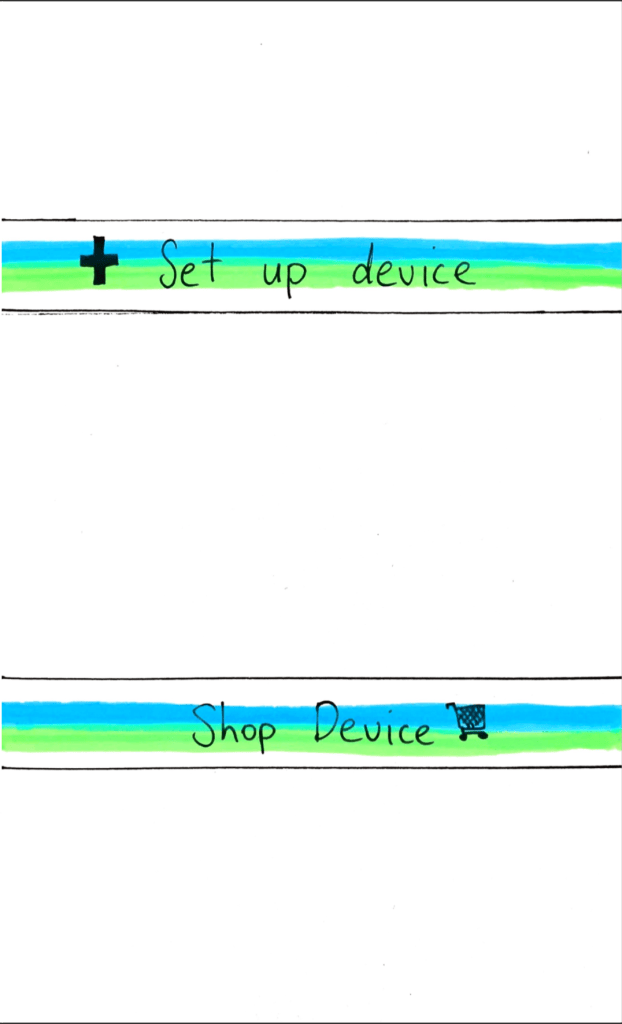
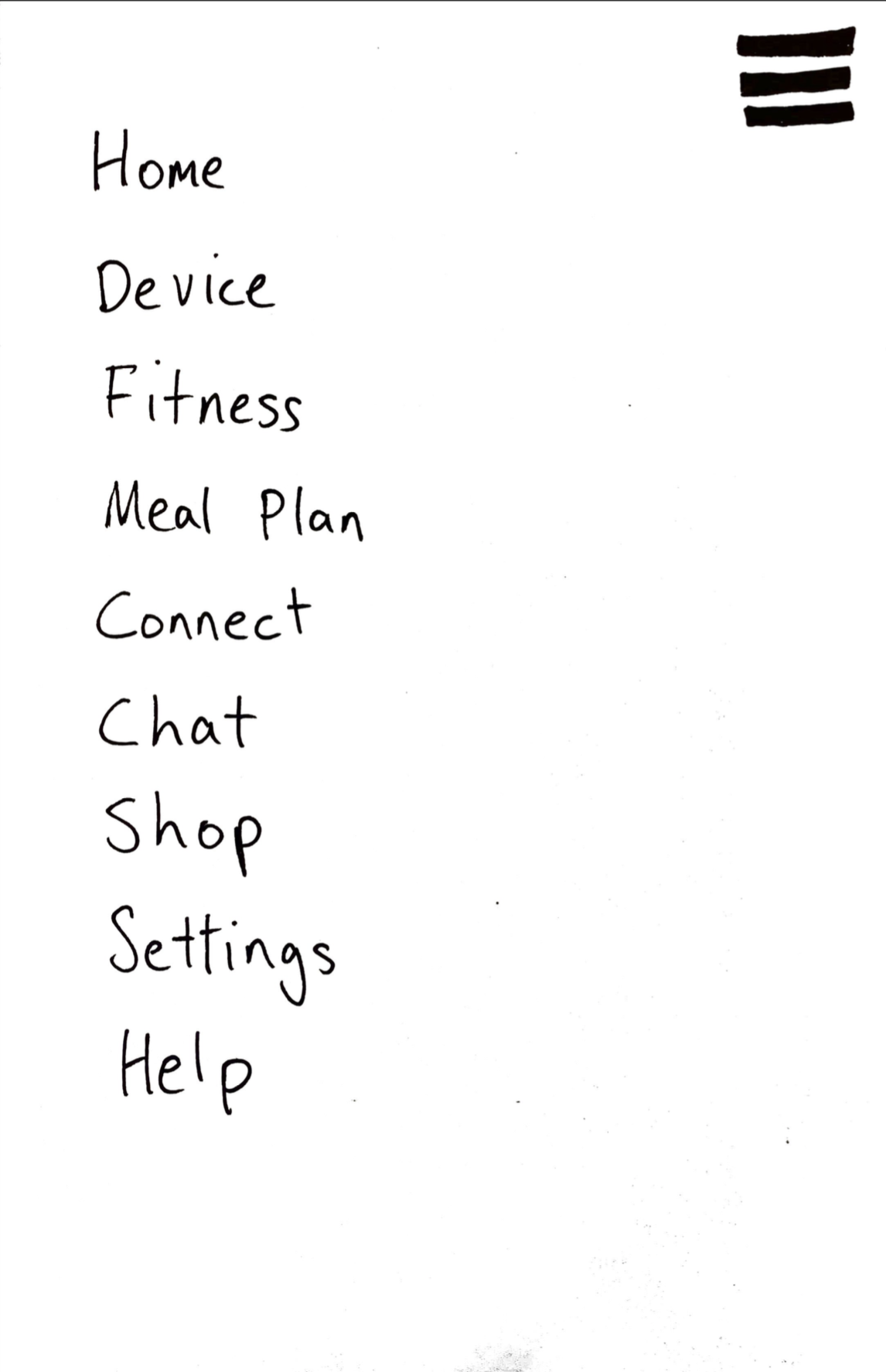
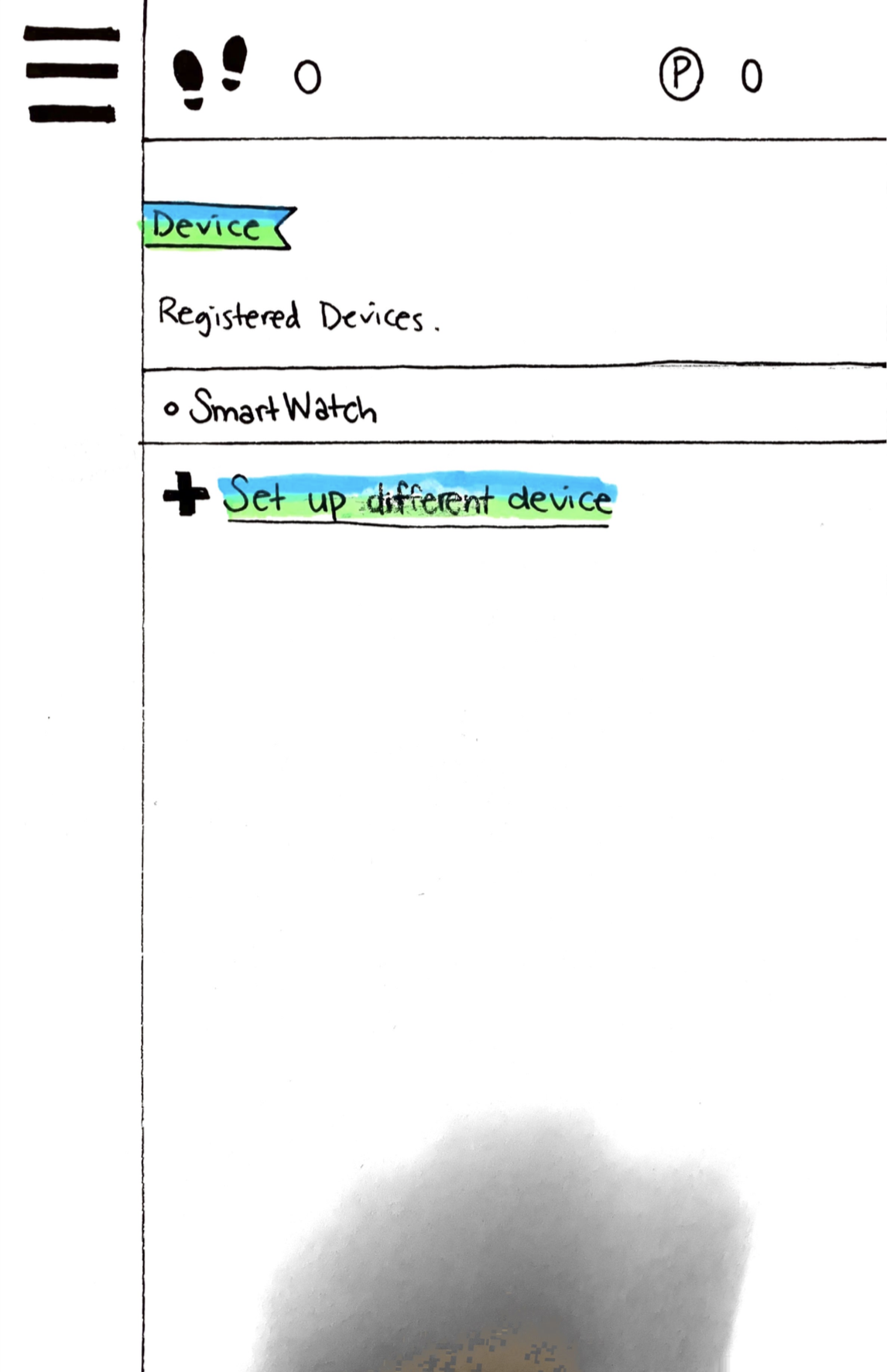
Taking in our feedbacks, we changed the order of the menu, by making the device pairing system appear as soon as the user logs in/creates an account.
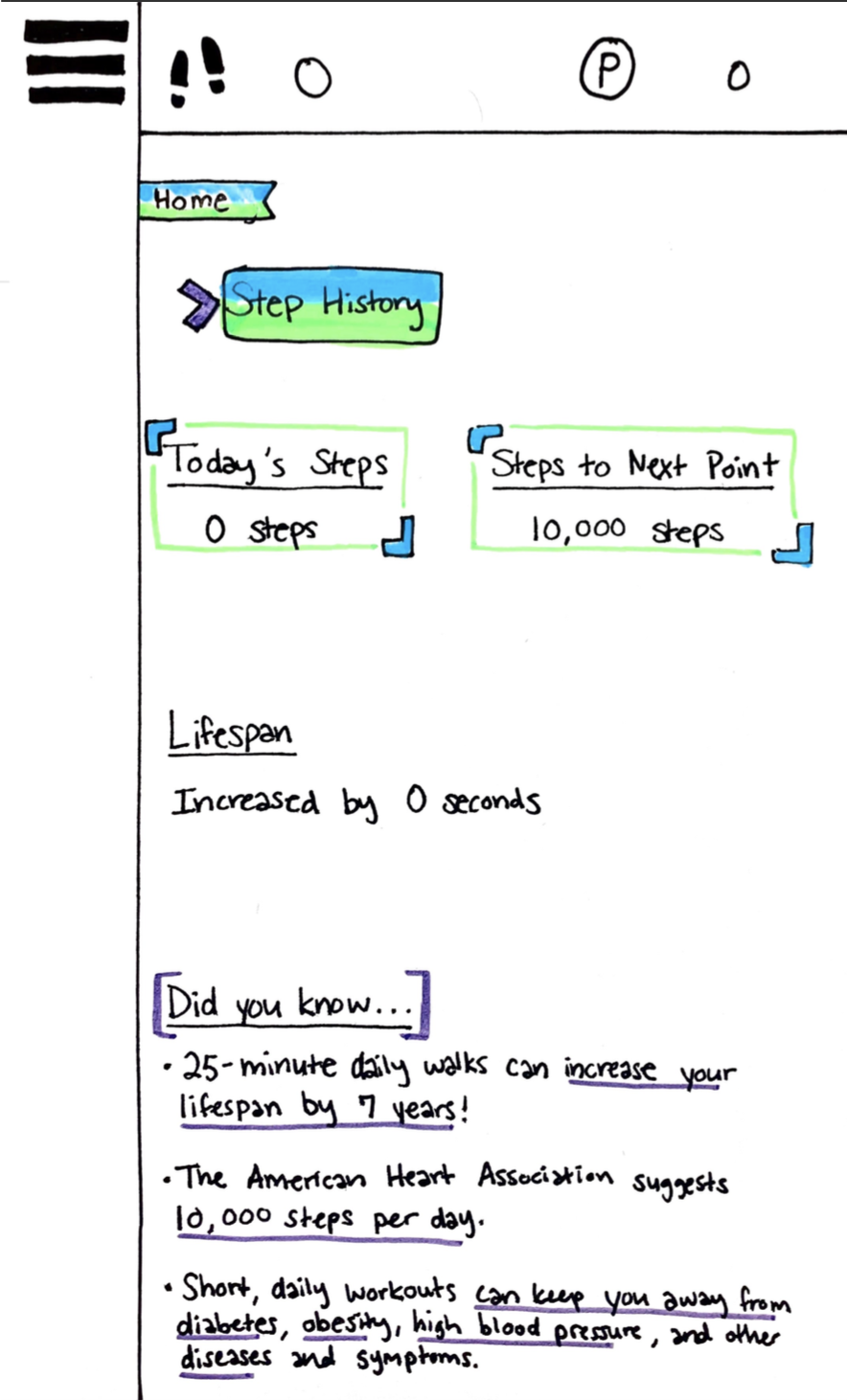
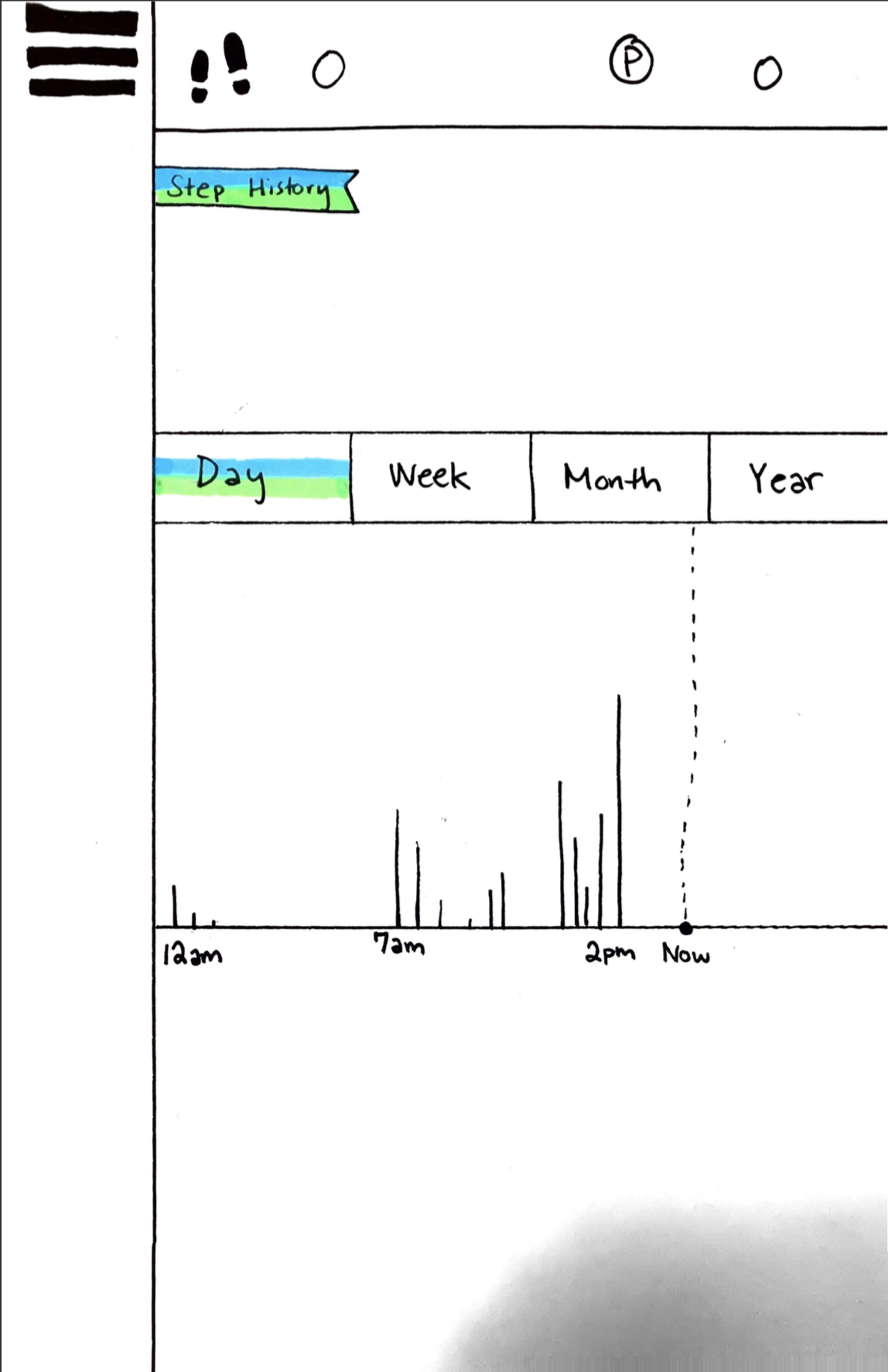
The focus of the app is to use positive and negative reinforcements to affect the users. So we changed our home screen from the “Fitness/Meal Plan” page to the “Activity” page.
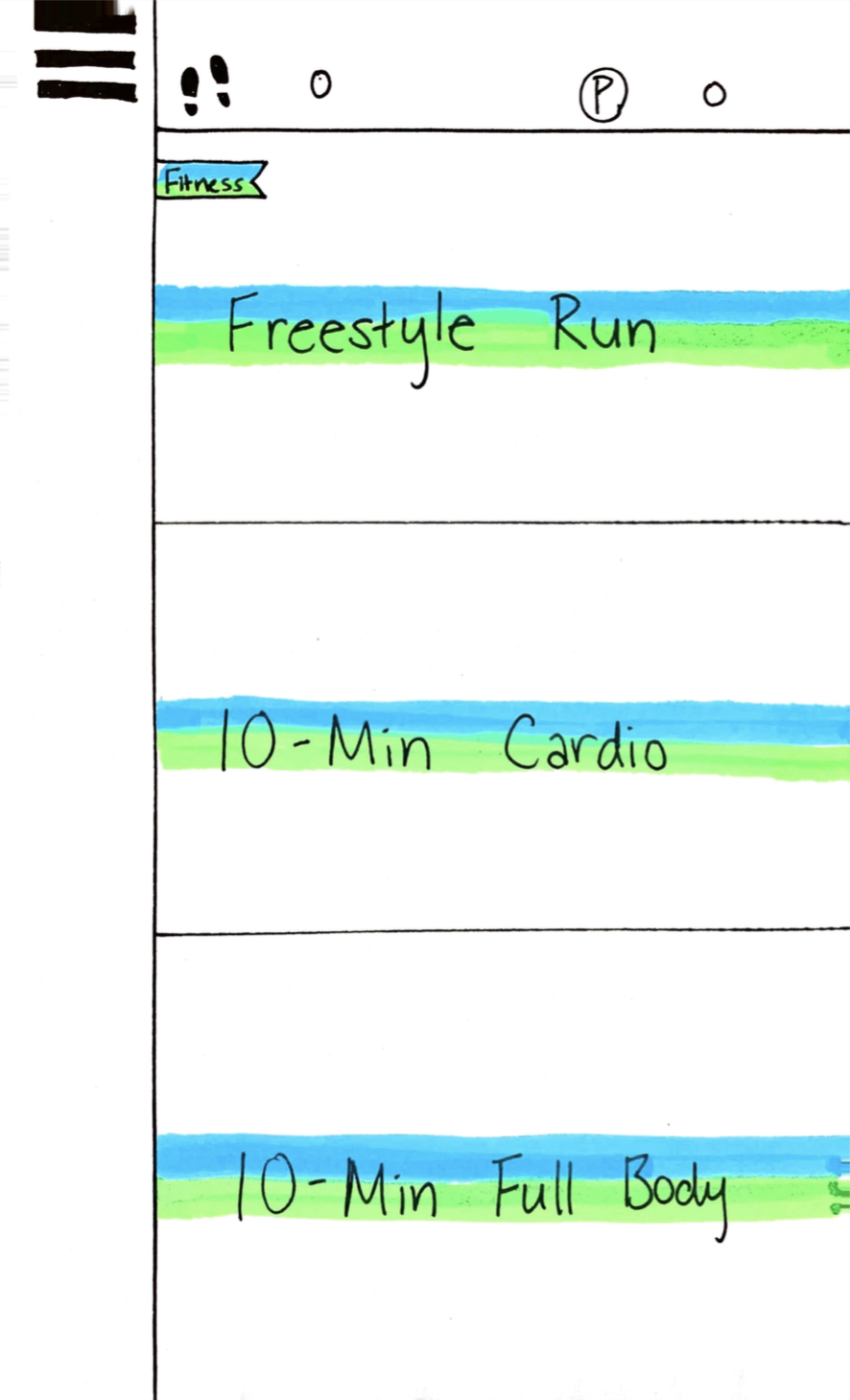
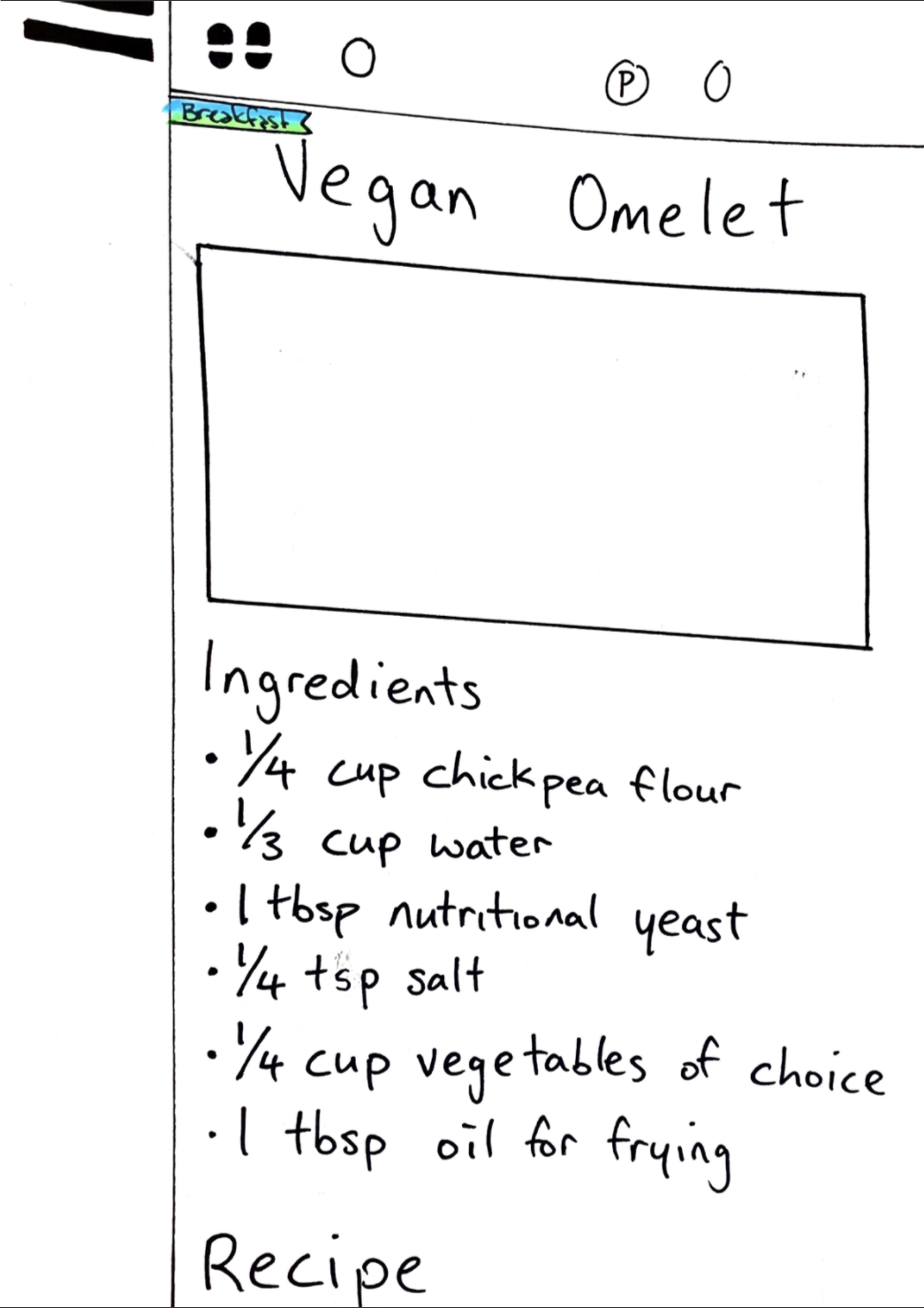
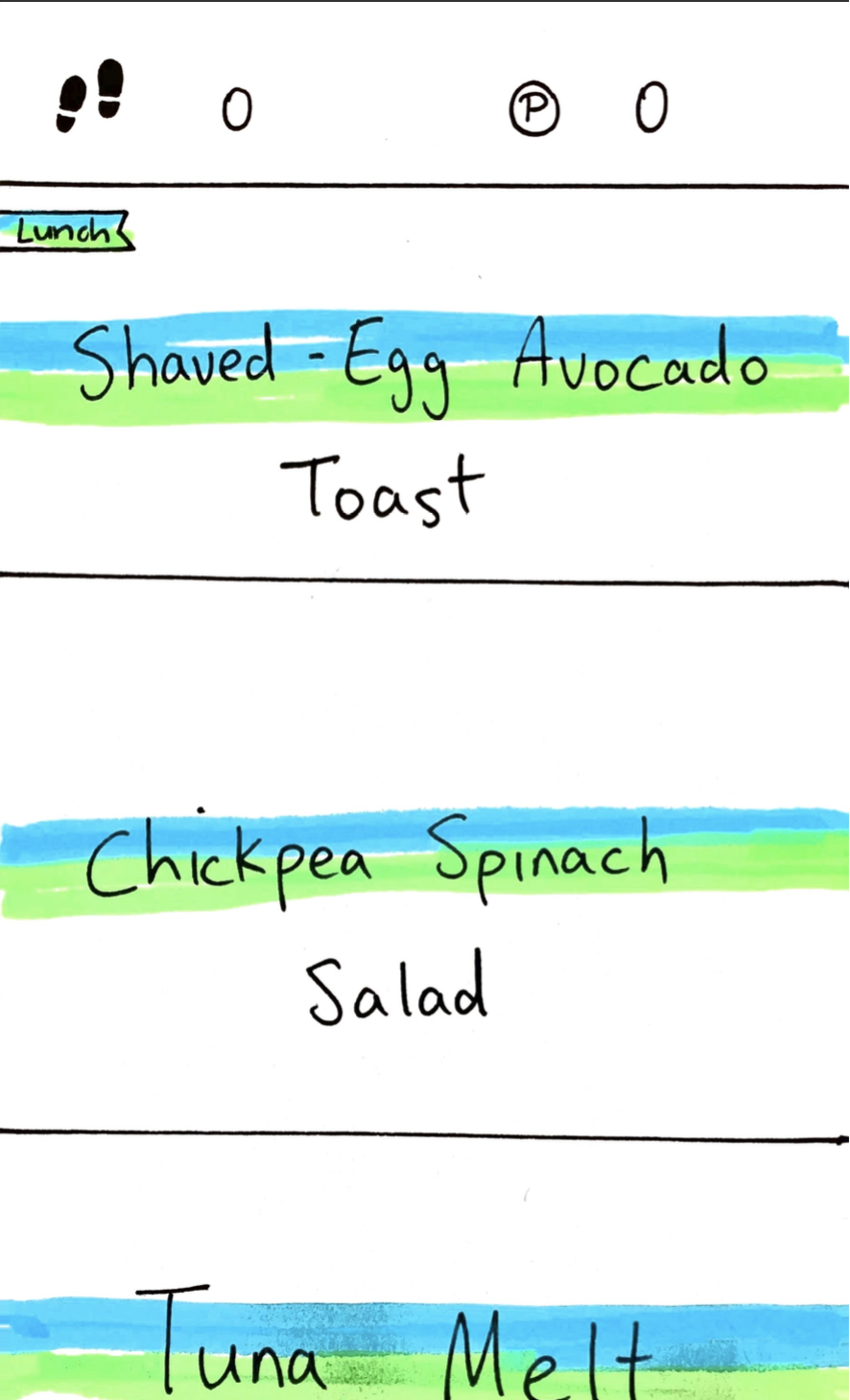
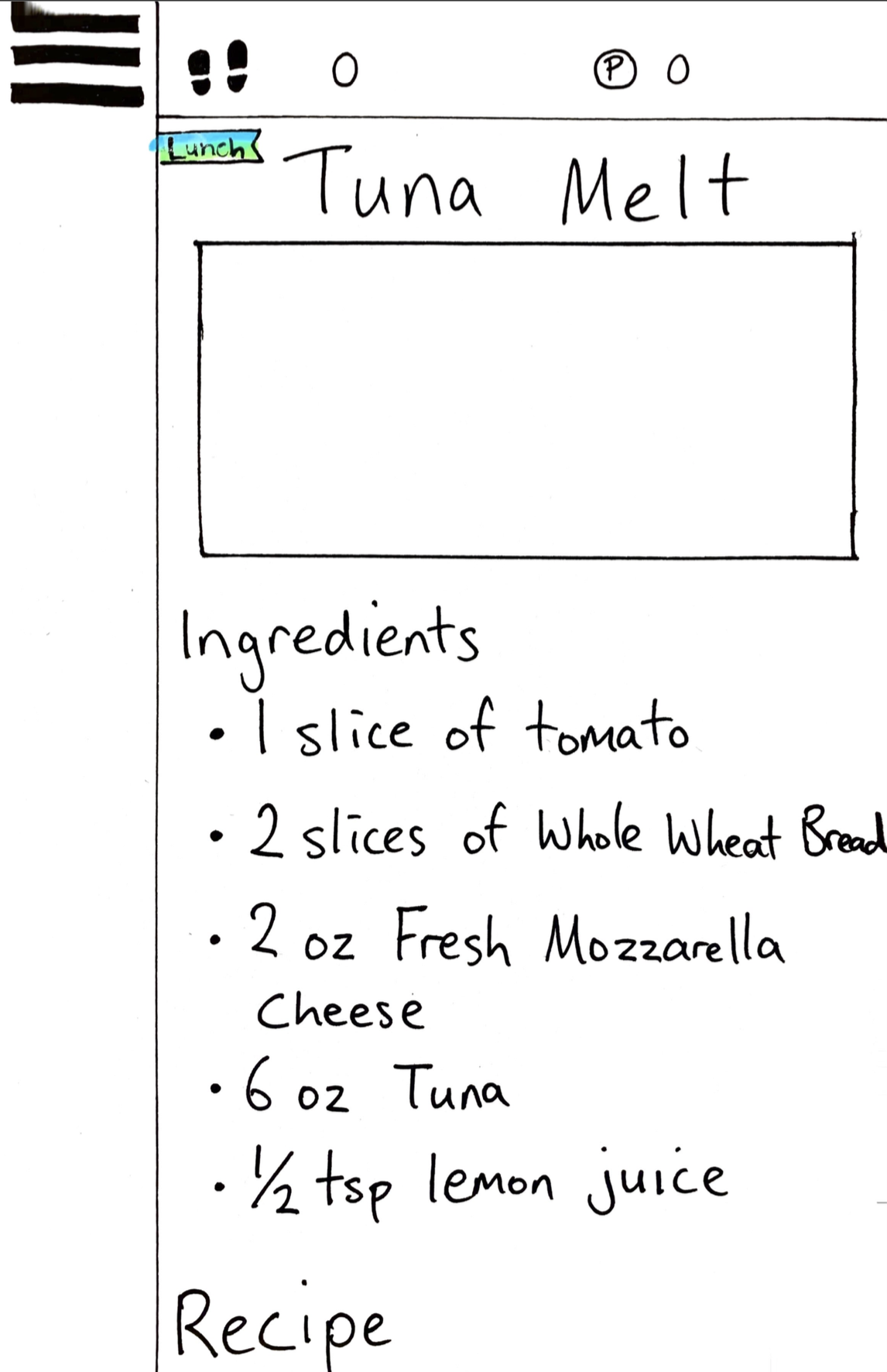
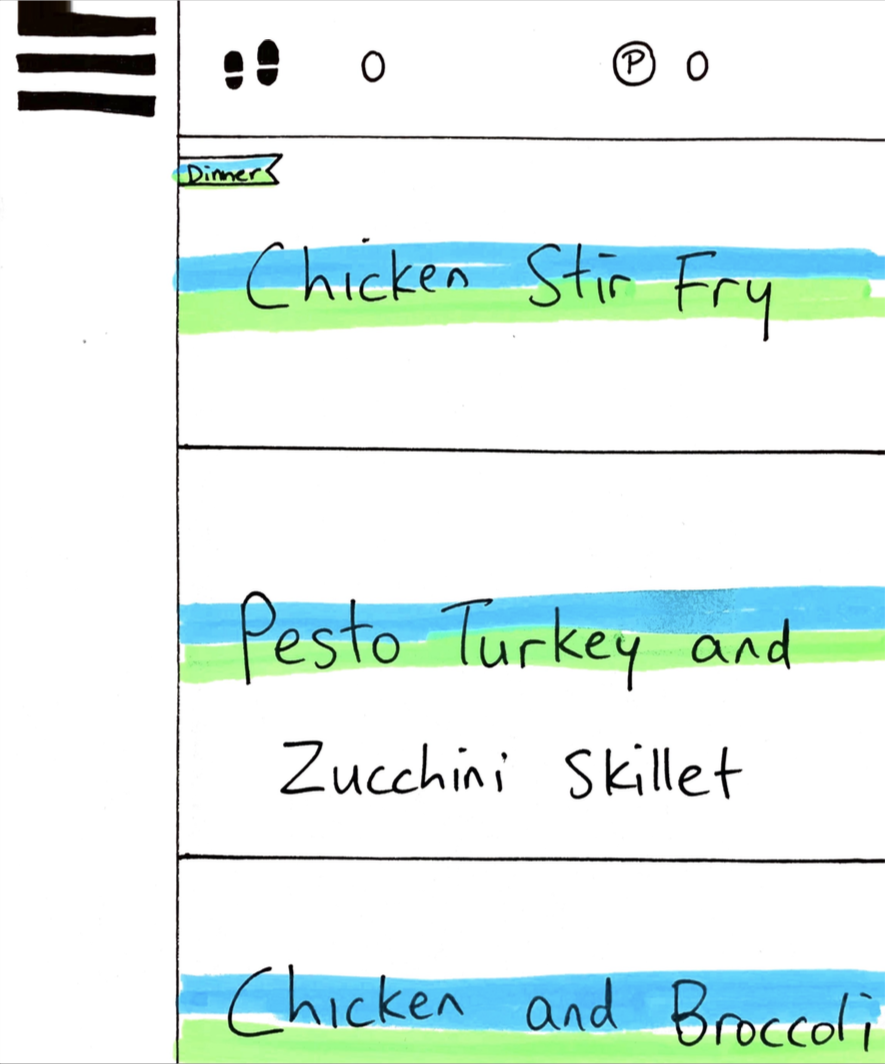
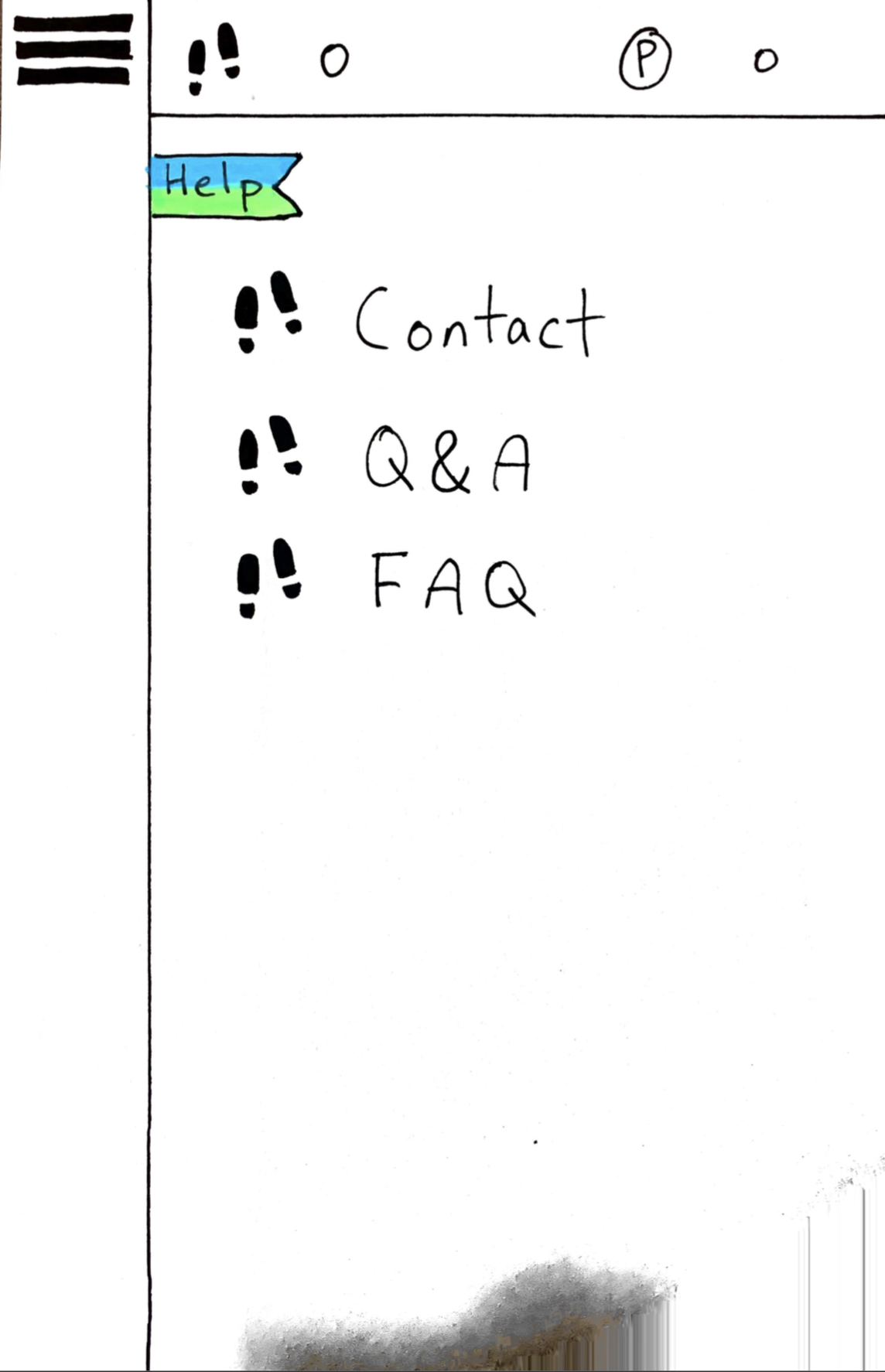
We lastly added color to every clickable section blue and green, to help the users realize that colored items are most likely going to be clickable.
Final Design
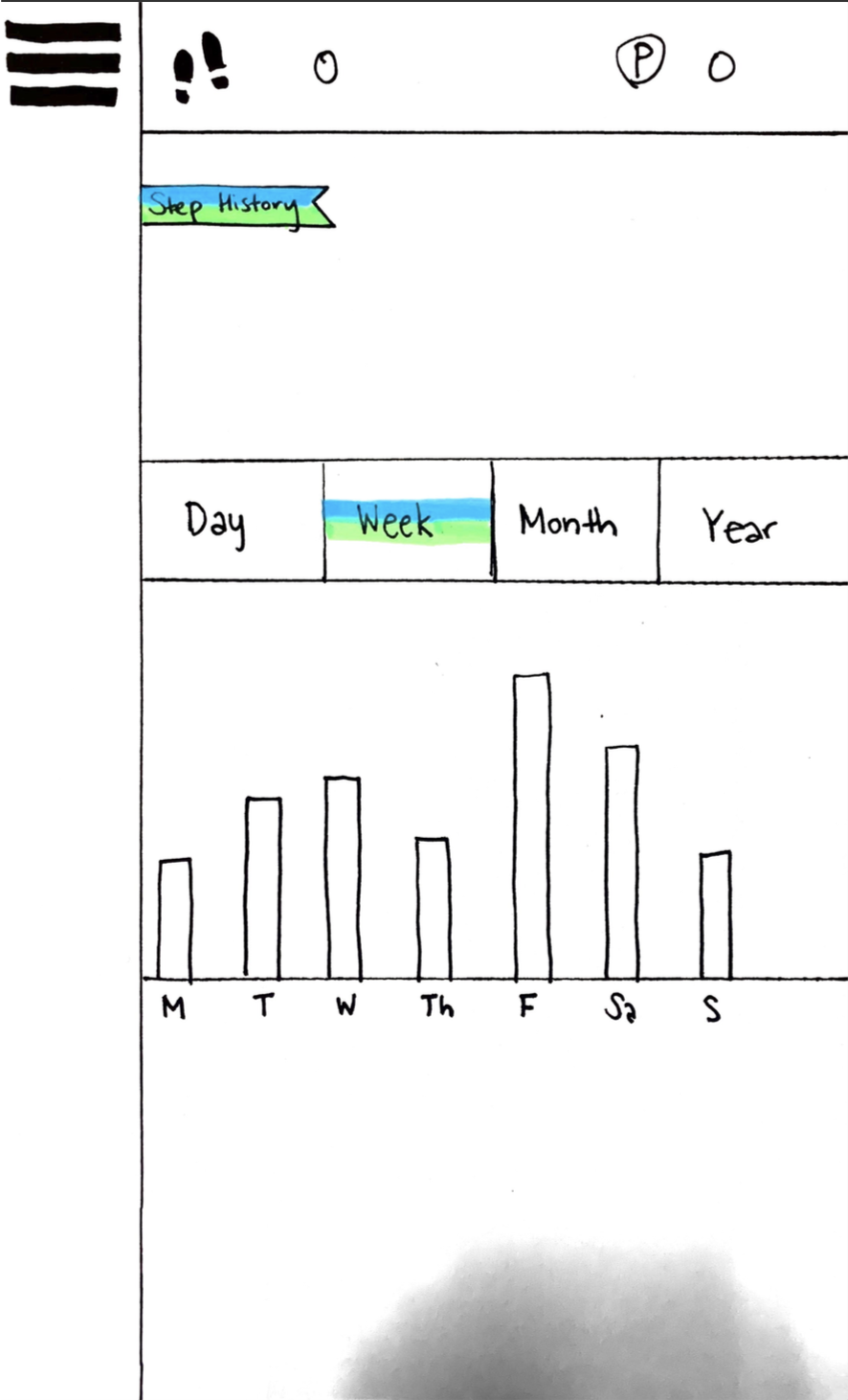
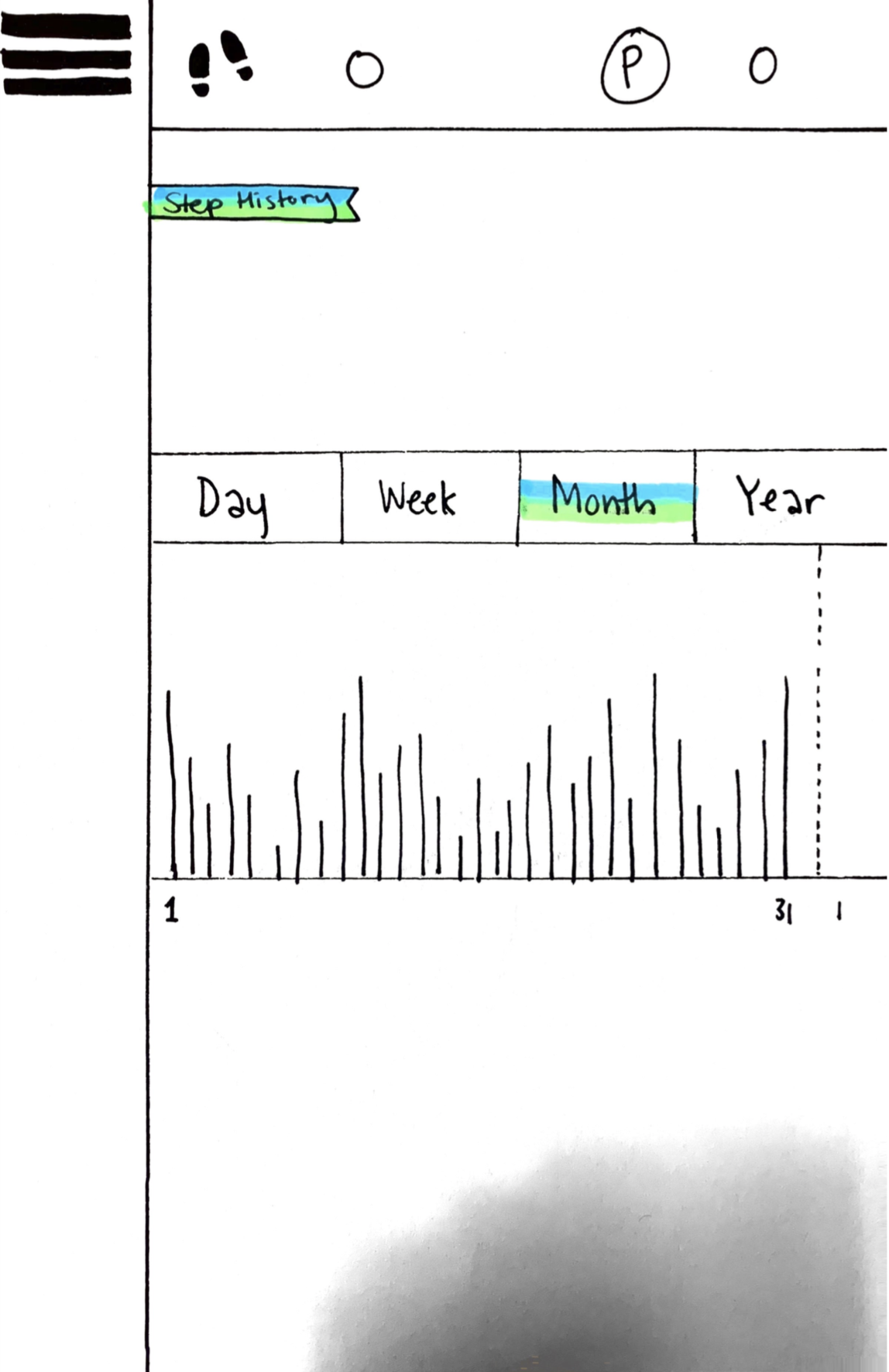
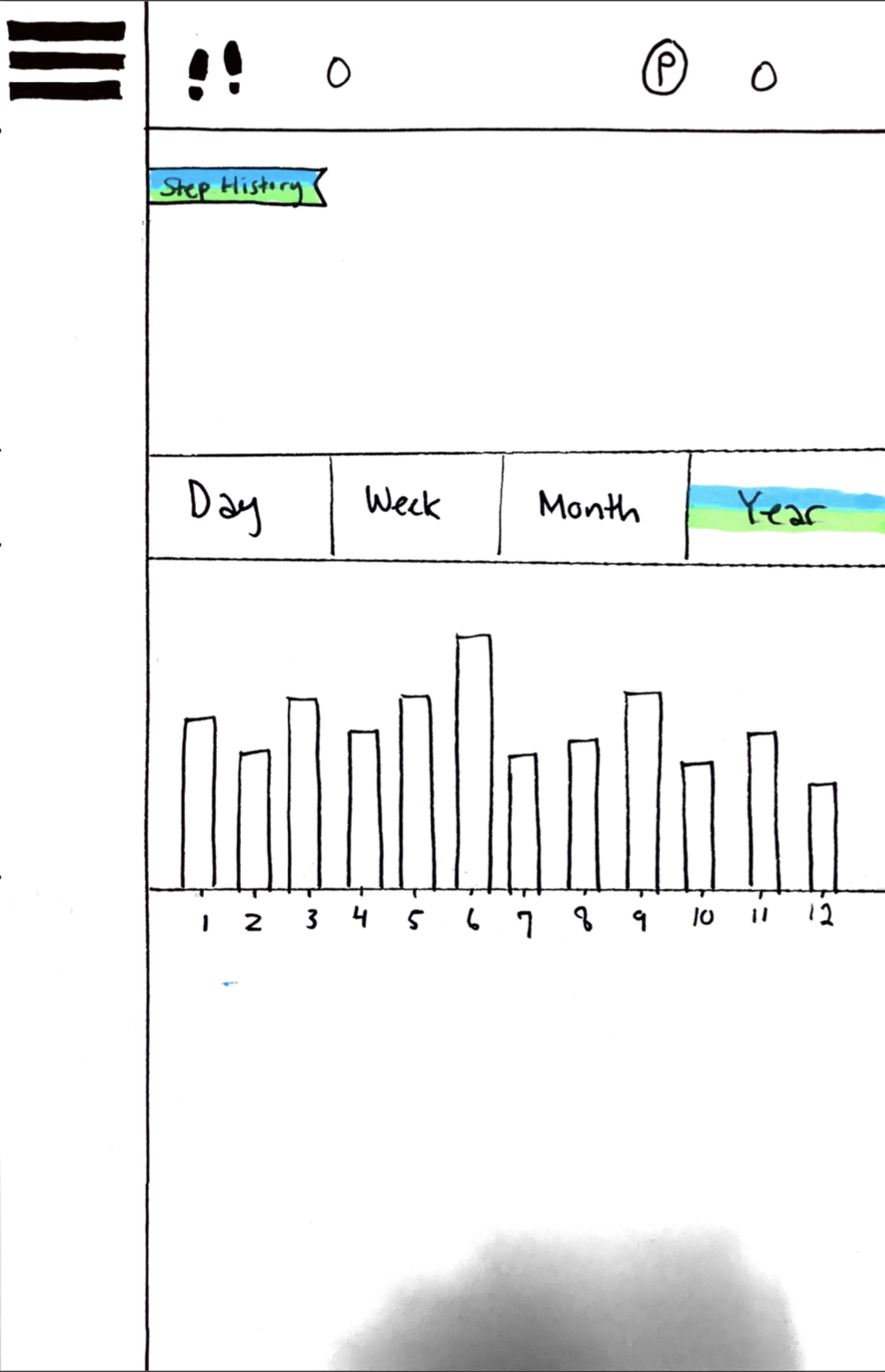
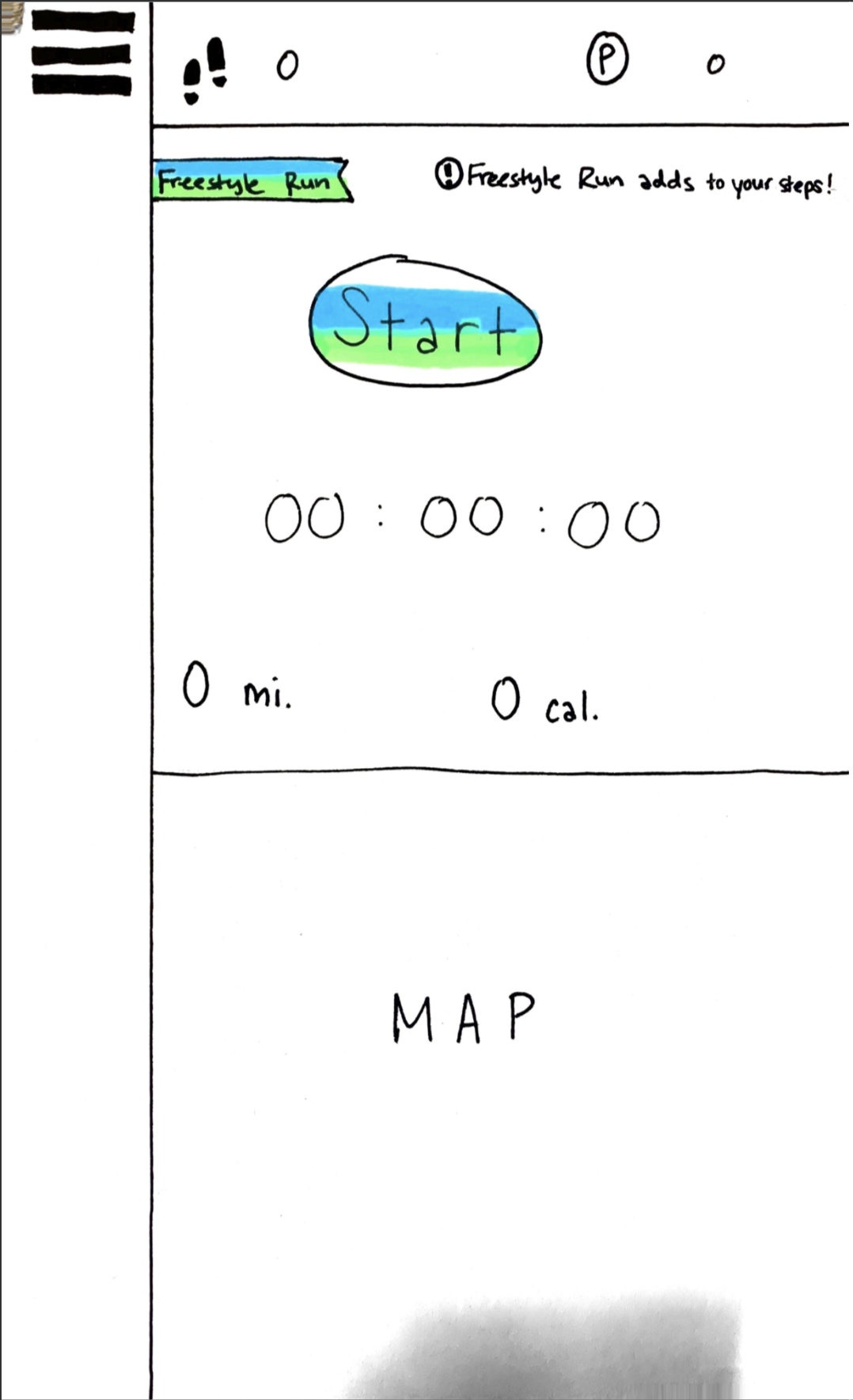
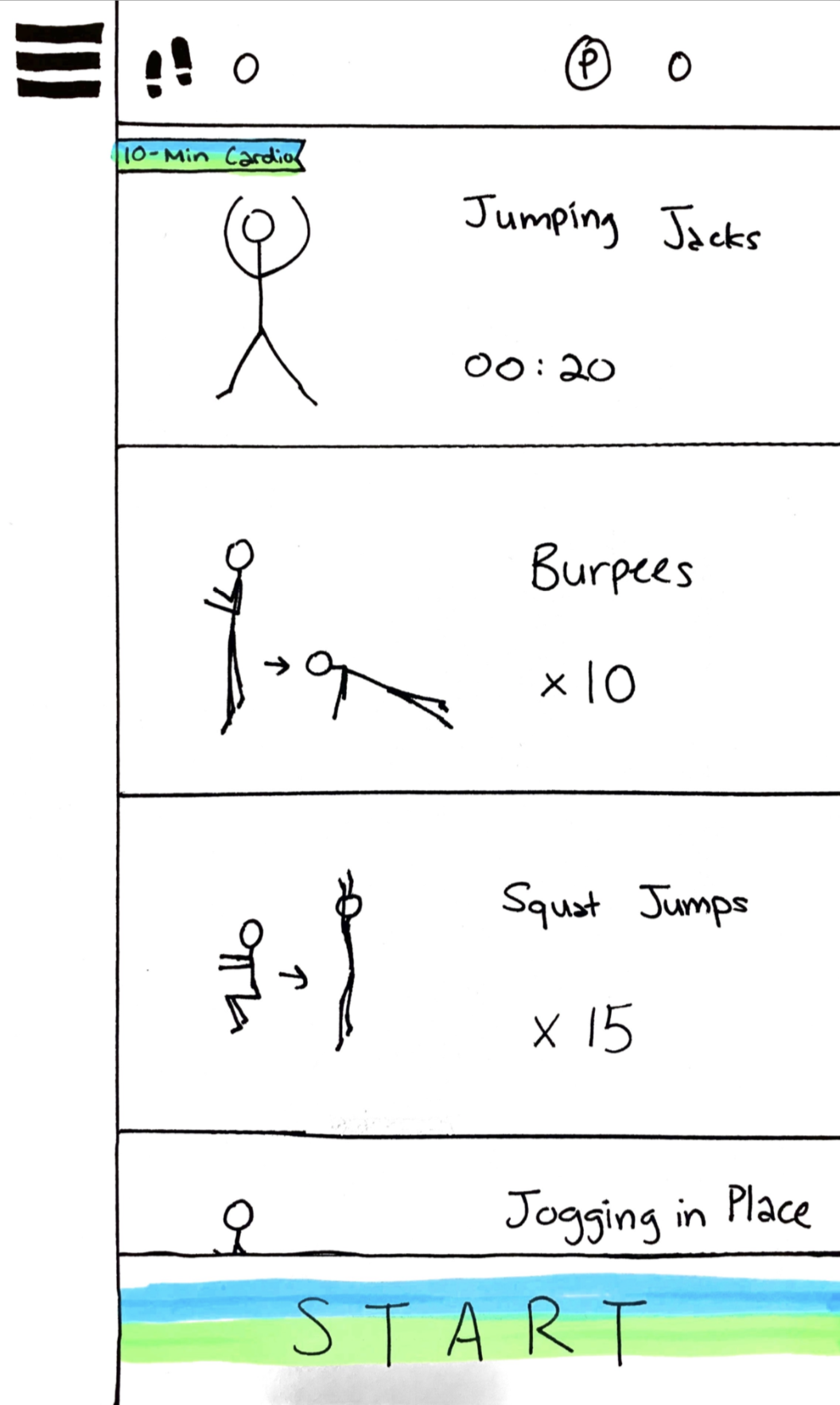
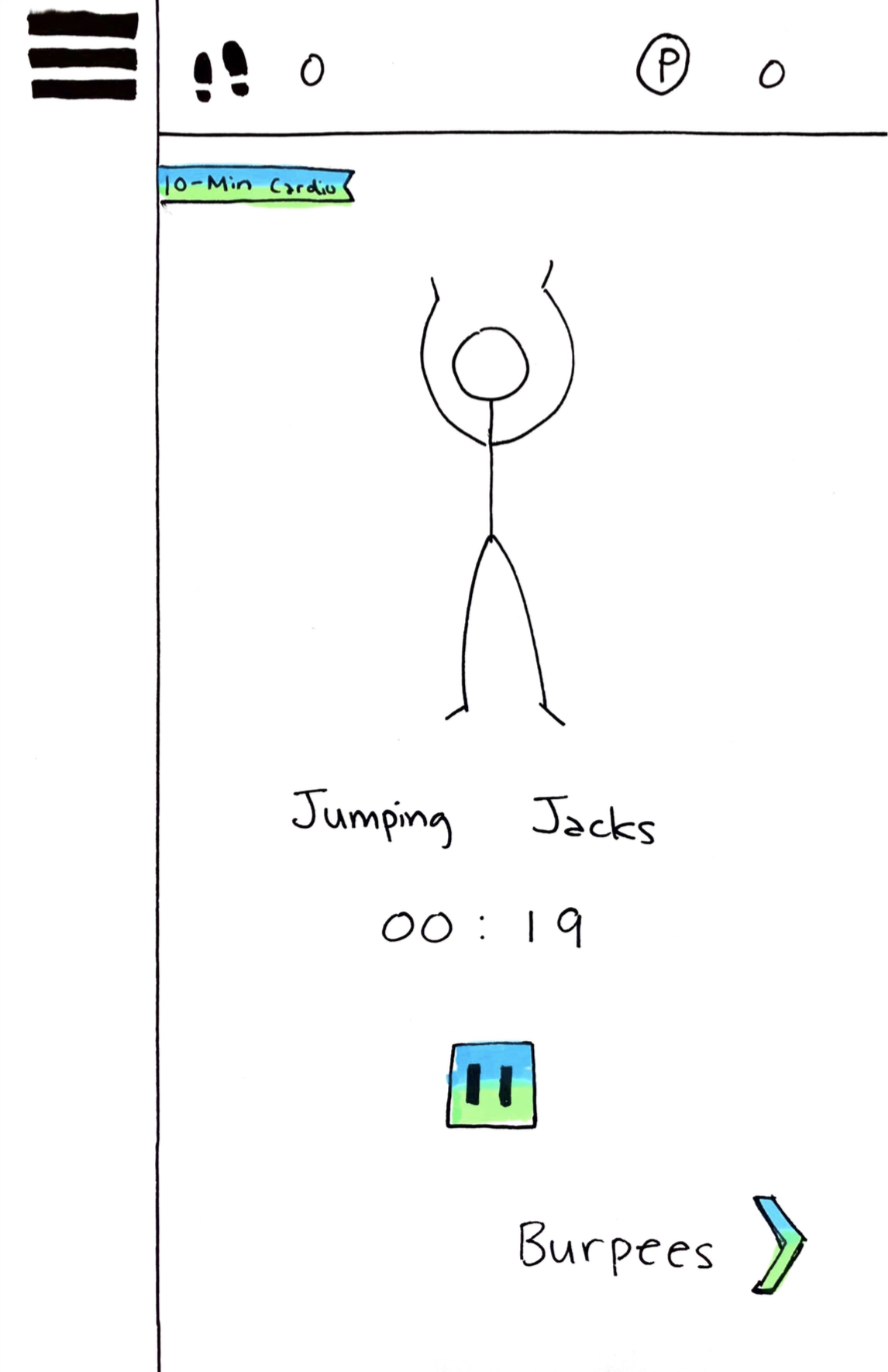
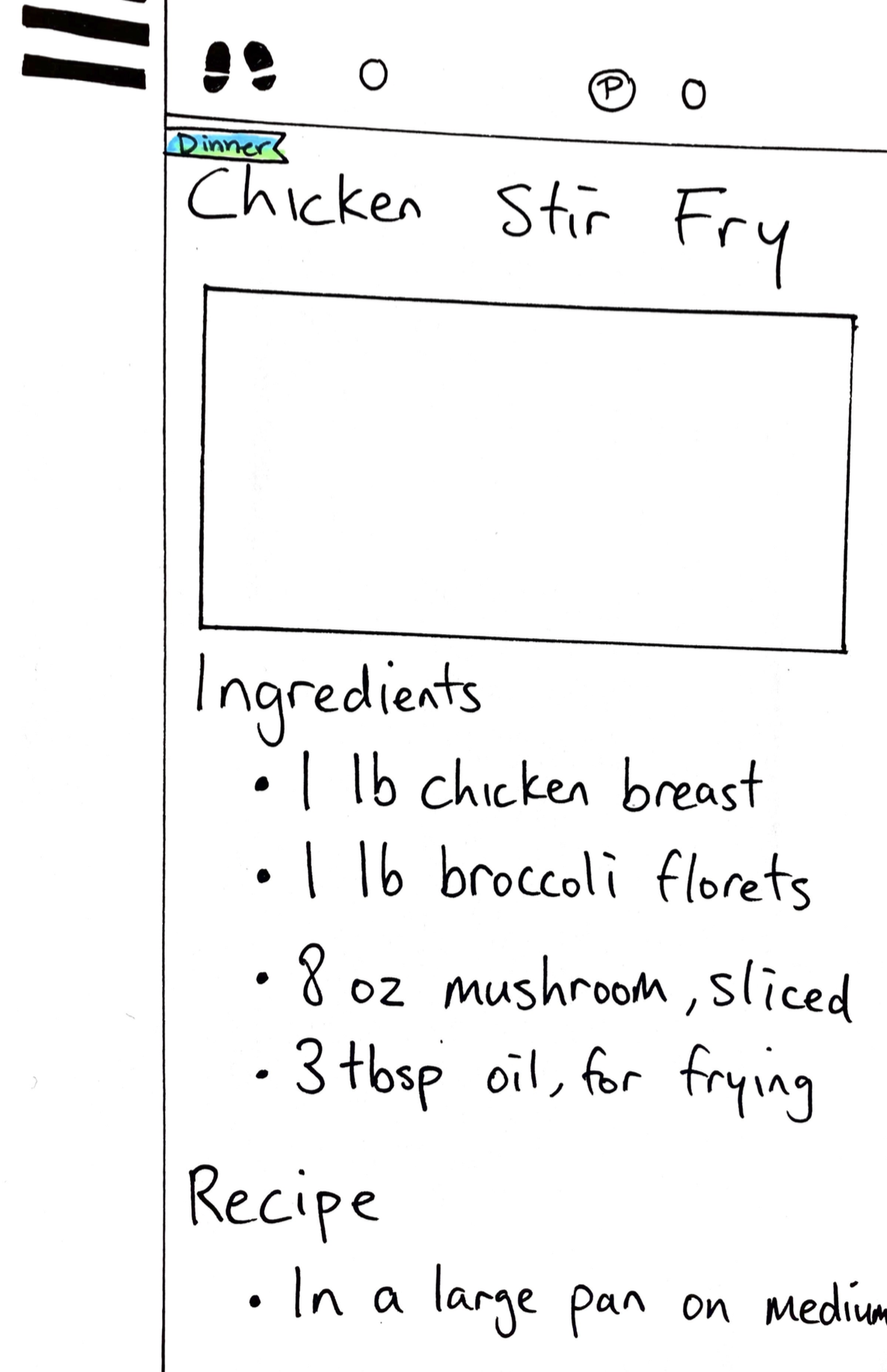
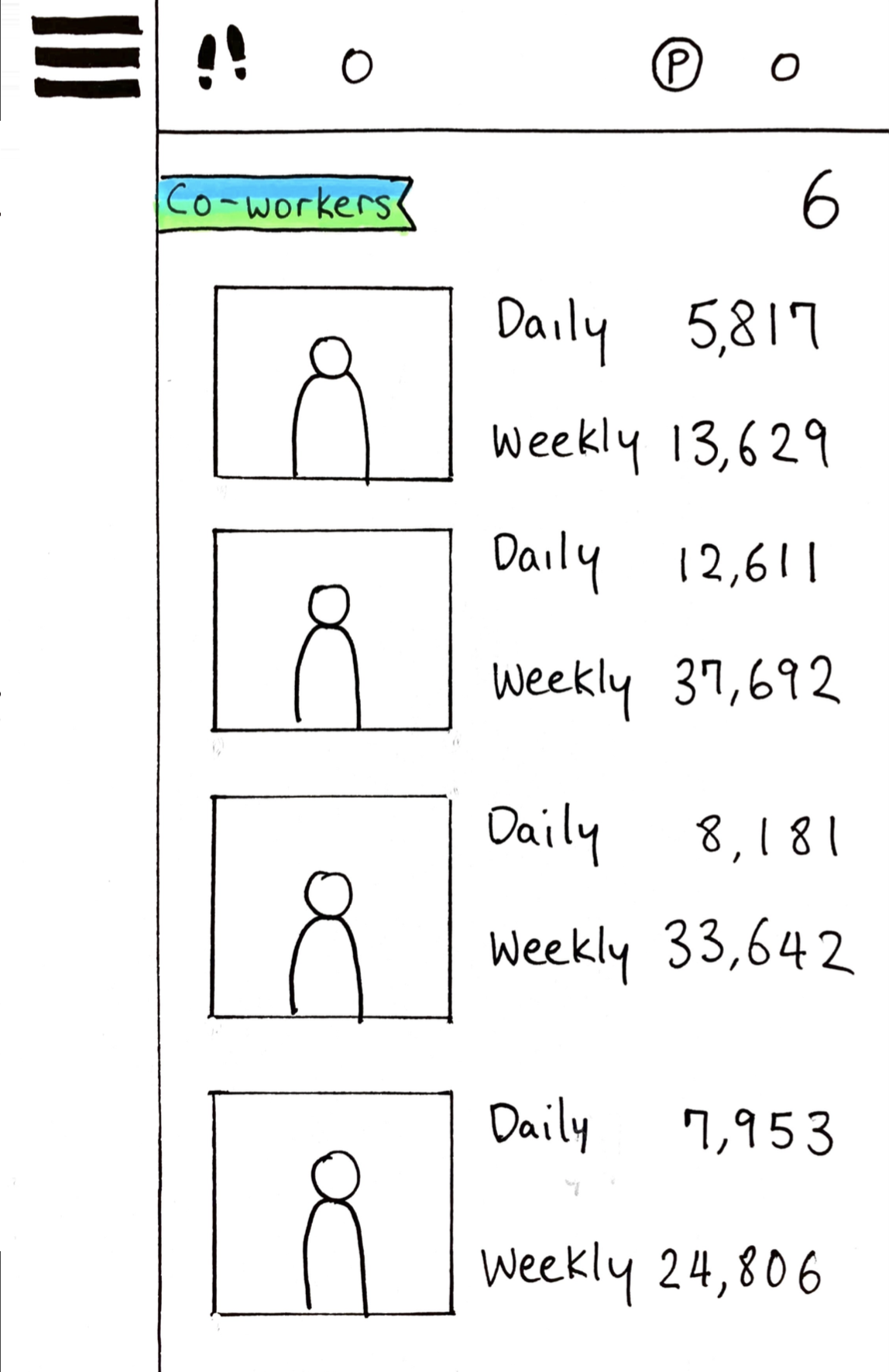
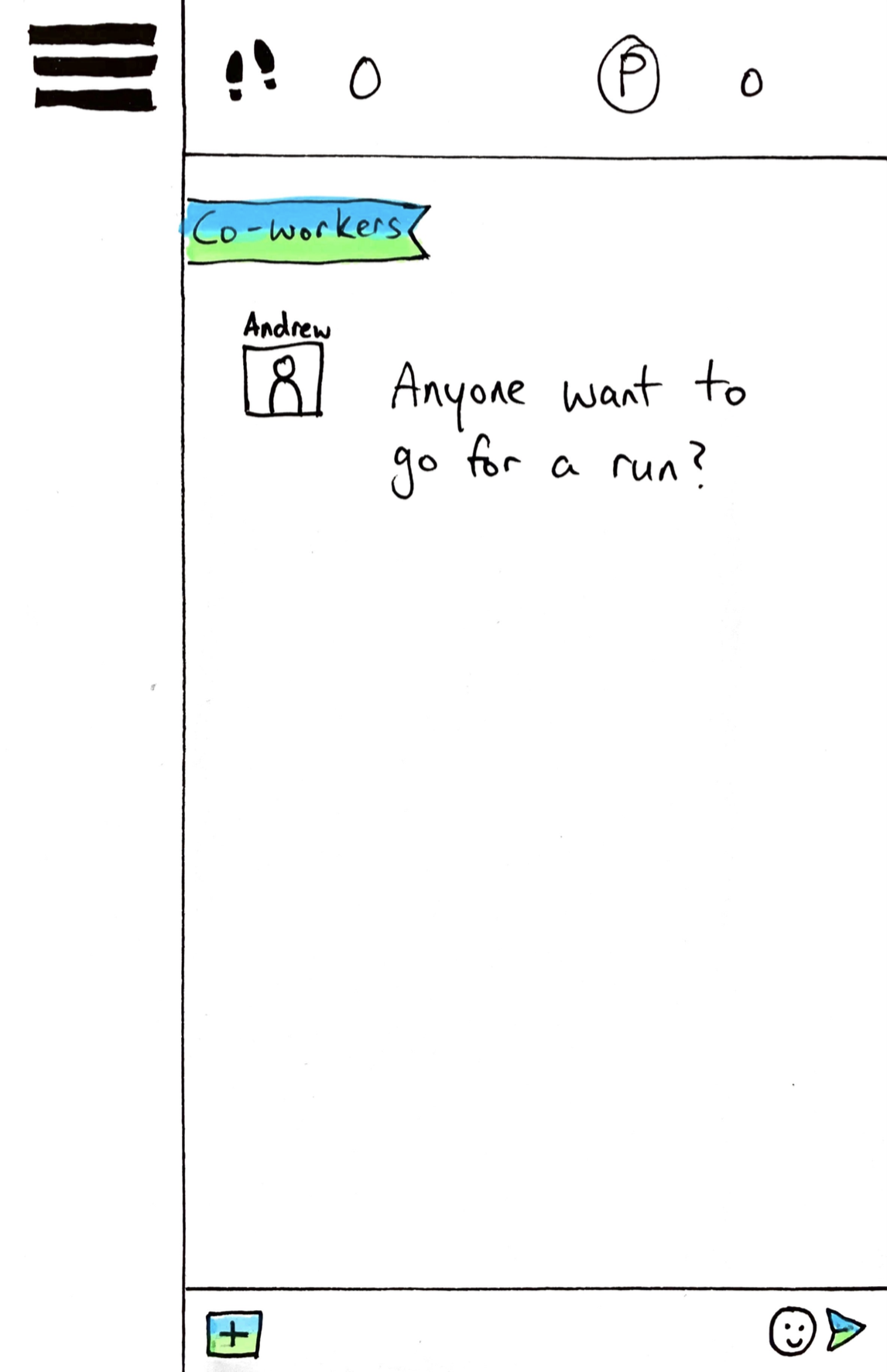
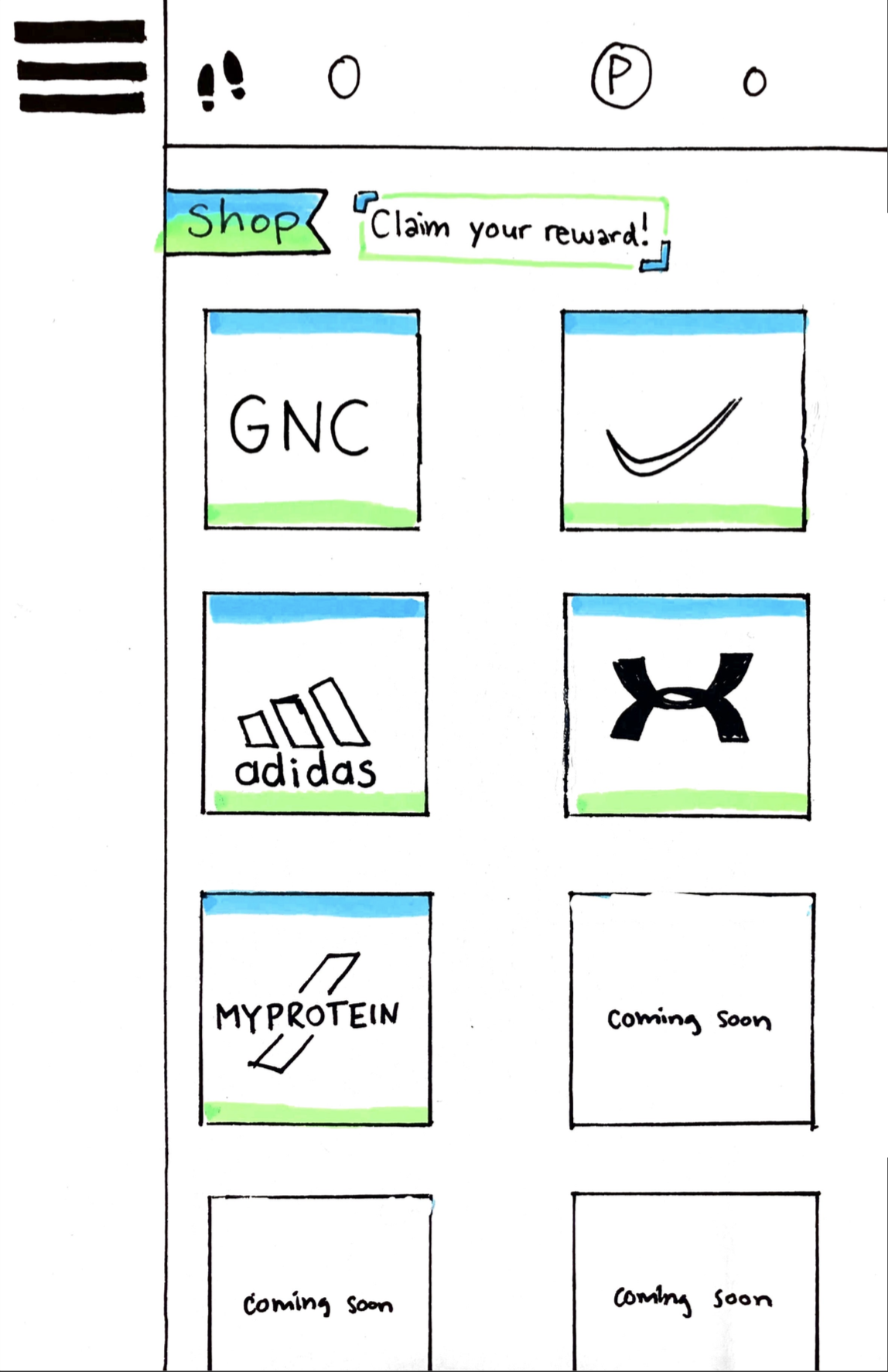
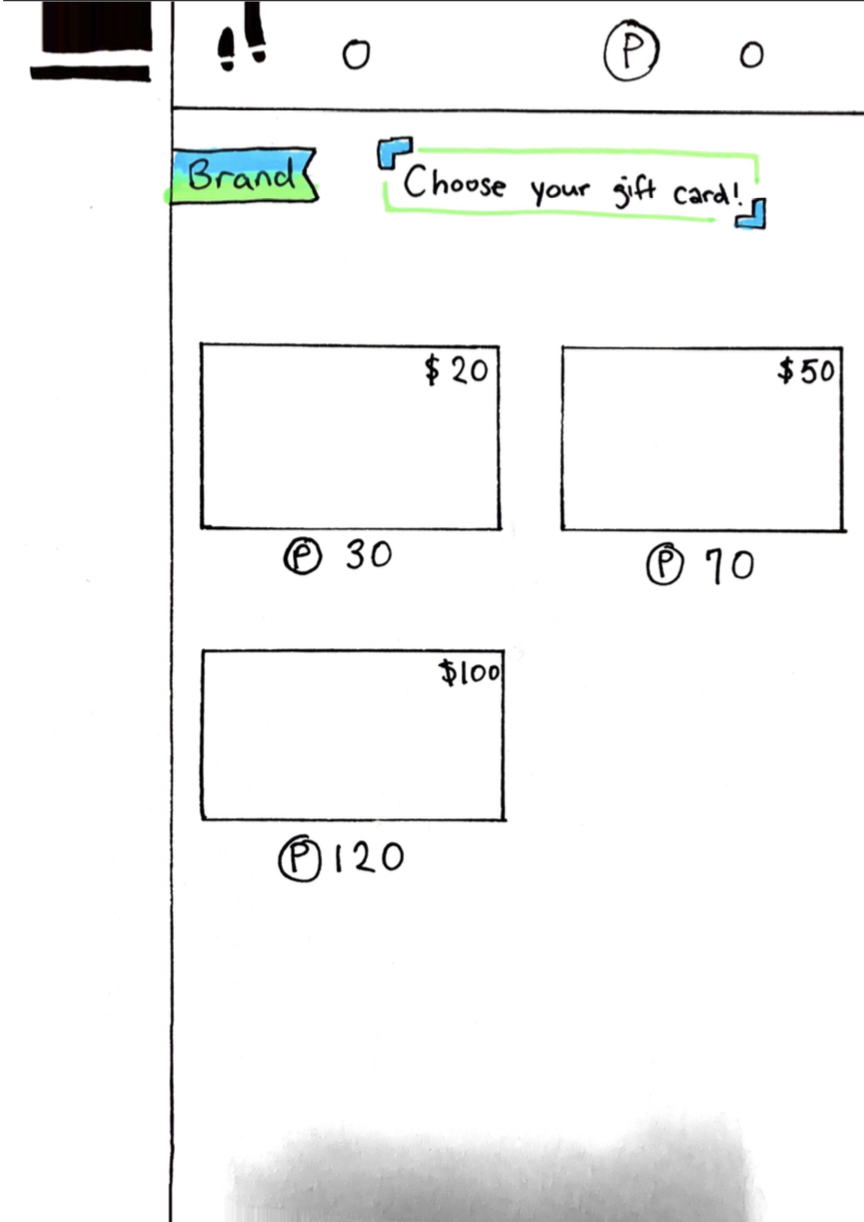
Most parts, at least in the perspectives of the test participants, were acceptable, and did not require as much changes. Aside from the little tweaks we made into the interface, the biggest part we focused on was getting the positive reinforcement and encouragement to stand out to the users; hence the reason behind the rearrangement of the home screen and emphasizing the rewarding system and reinforcement statements on the new home screen.
Design Rationale
The design rationale behind our final prototype is to ultimately solve the problem of users “faking out” the system in order to gain insurance benefits. We believe our design fills the need of the problem we have faced as we implemented positive and negative reinforcement, along with giving the users the idea that fitness and meal preps does not have to be time-consuming and difficult. Our main purpose is to change the stereotype in users’ mindsets of “while living the healthy life is good for the users, it comes with a lot of sacrifices”. Exercising does not have to be hard, and through this app, users can achieve the healthy lifestyle without offering too much time and effort throughout their days.
Takeaways
- The entire process was too linear.
- Prototypes should ask questions to the users
- Need more research, interviews, and usability tests frequently throughout the process
- Too wide of a scope
- Too much focus on the interface design rather than solving the problem
- Set goals for the interviews
- Connect personas from/to researches and interviews

